
At 9 o’clock sharp the receptionist called our room and announced that the police were ready for us.
This would usually be a concerning phone call, but we were unfazed after having the police follow us around Minya the previous day.
We had hired a driver to bring us from Minya to Abydos with a few stops along the way. As we walked out of the hotel we saw not only our driver, but also a van full of young policemen. The senior officer, who actually did speak some English, asked about our plans. I told him our itinerary, and this was much better received than the previous day when we just wanted to wander around the town aimlessly. Authorities in Egypt want you to visit designated tourist sites, and they usually frown upon walking and curiosity.
We hopped into the back of our car and a police officer took the front seat, and then we followed the police van down the main road.
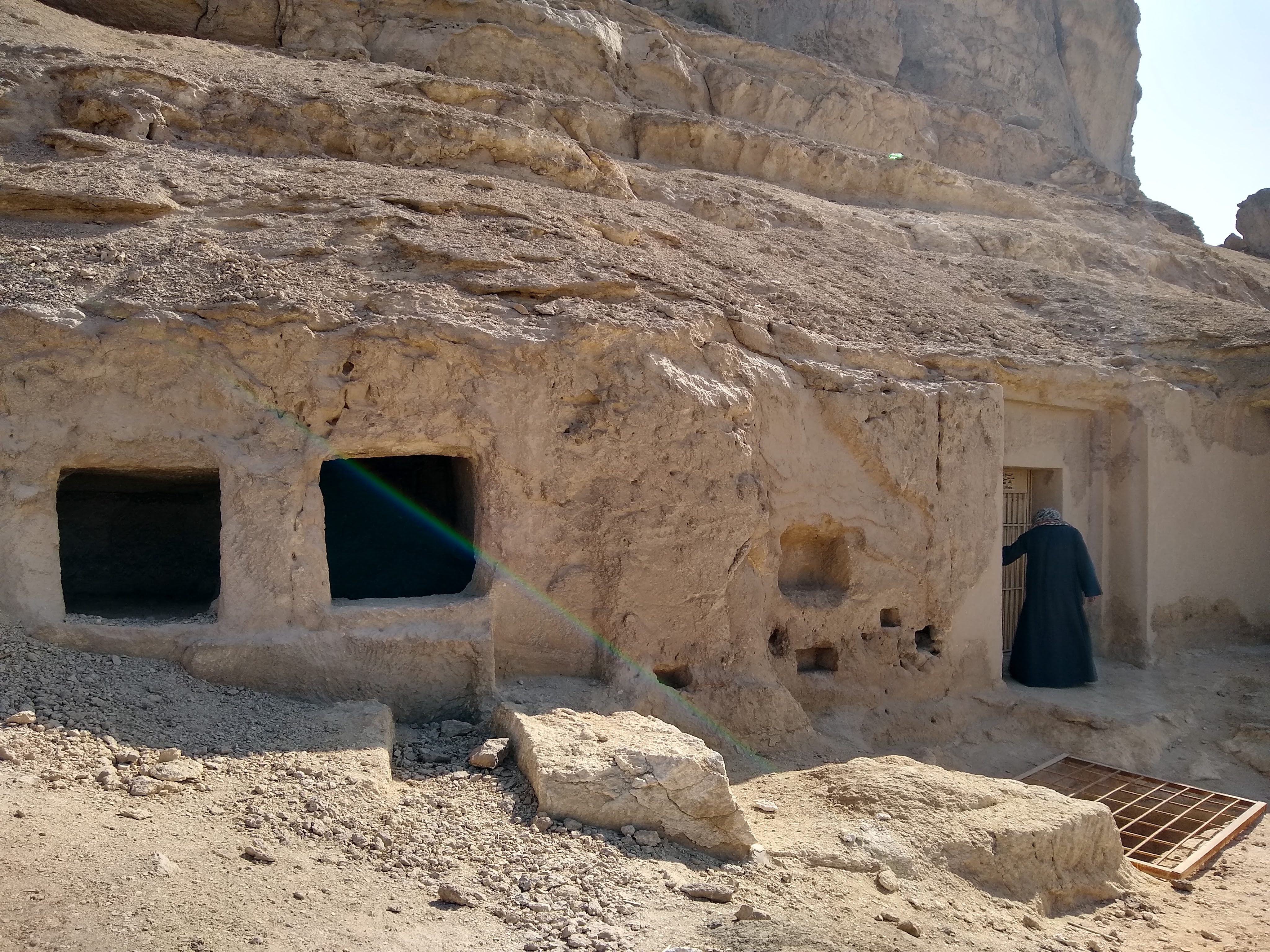
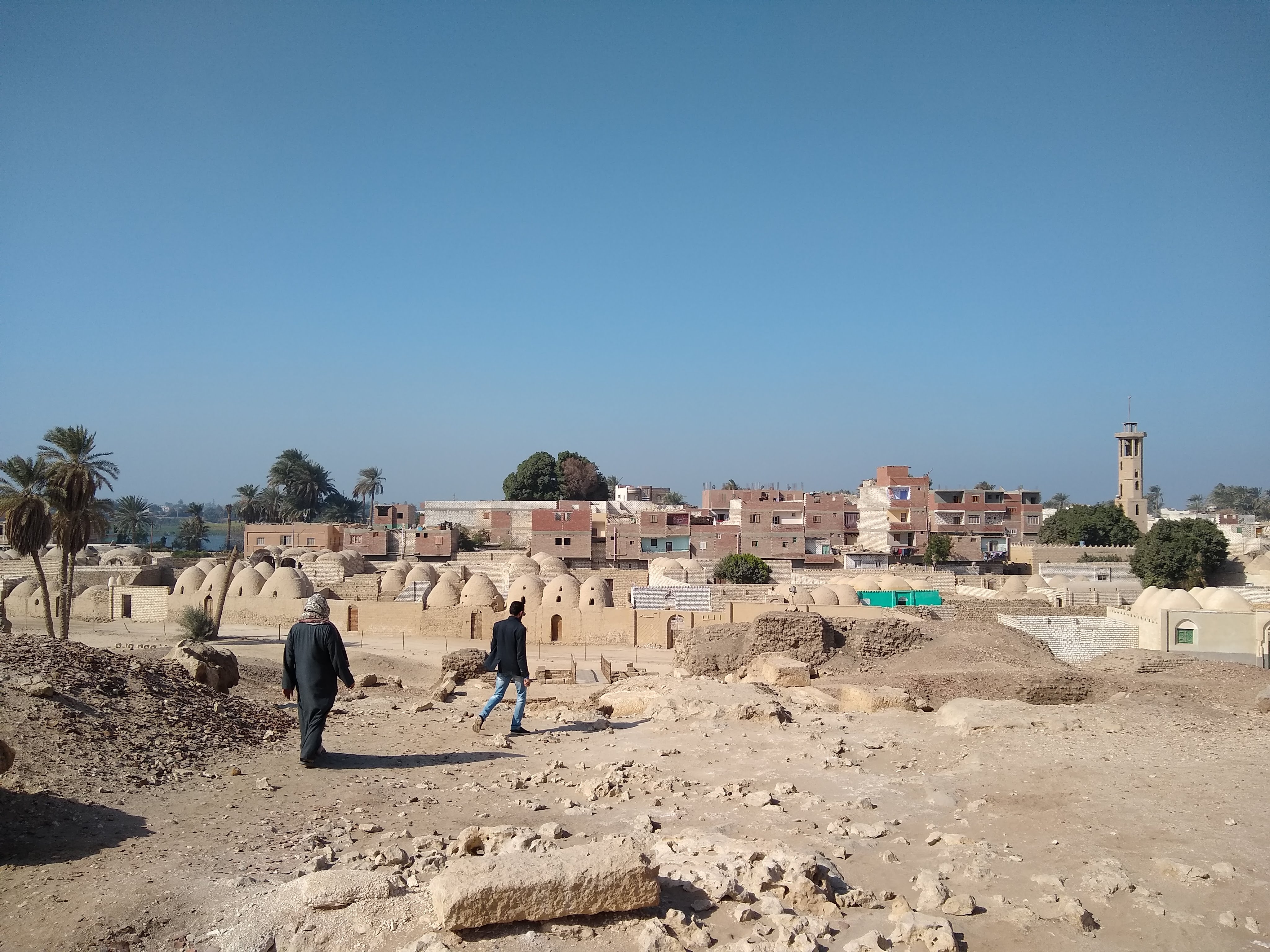
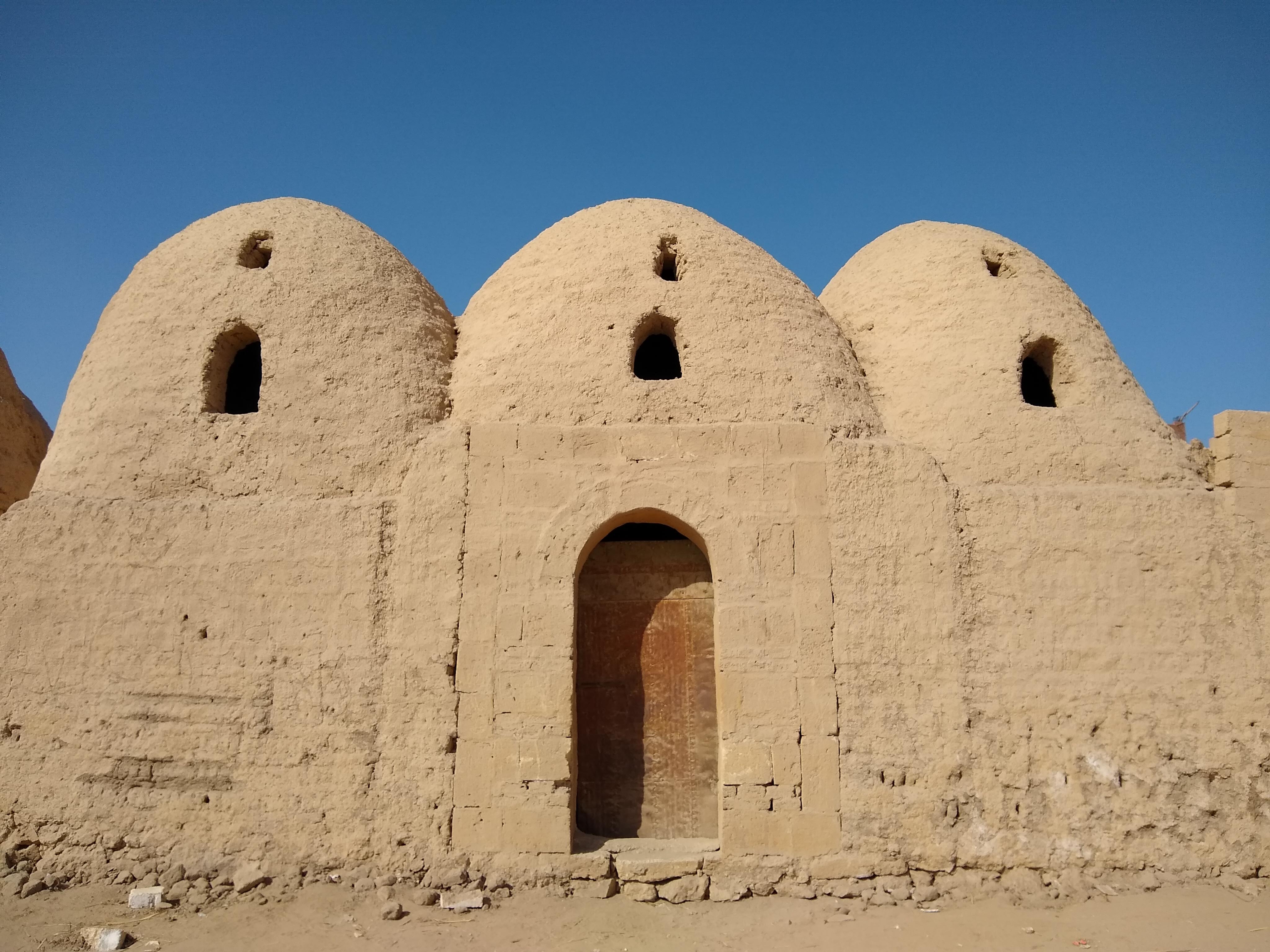
Our first planned stop was Zawiyyet Al Mayyiteen, a mixed Muslim and Christian cemetery full of mausoleums with beehive roofs located 7km out of town. I had read about it in the Lonely Planet but couldn’t find much other information online. It is the type of place I wasn’t entirely sure we would be allowed to visit, and in the end we were brought to some Ancient Egyptian tombs directly next to the cemetery, which I think might have just been due to miscommunication.
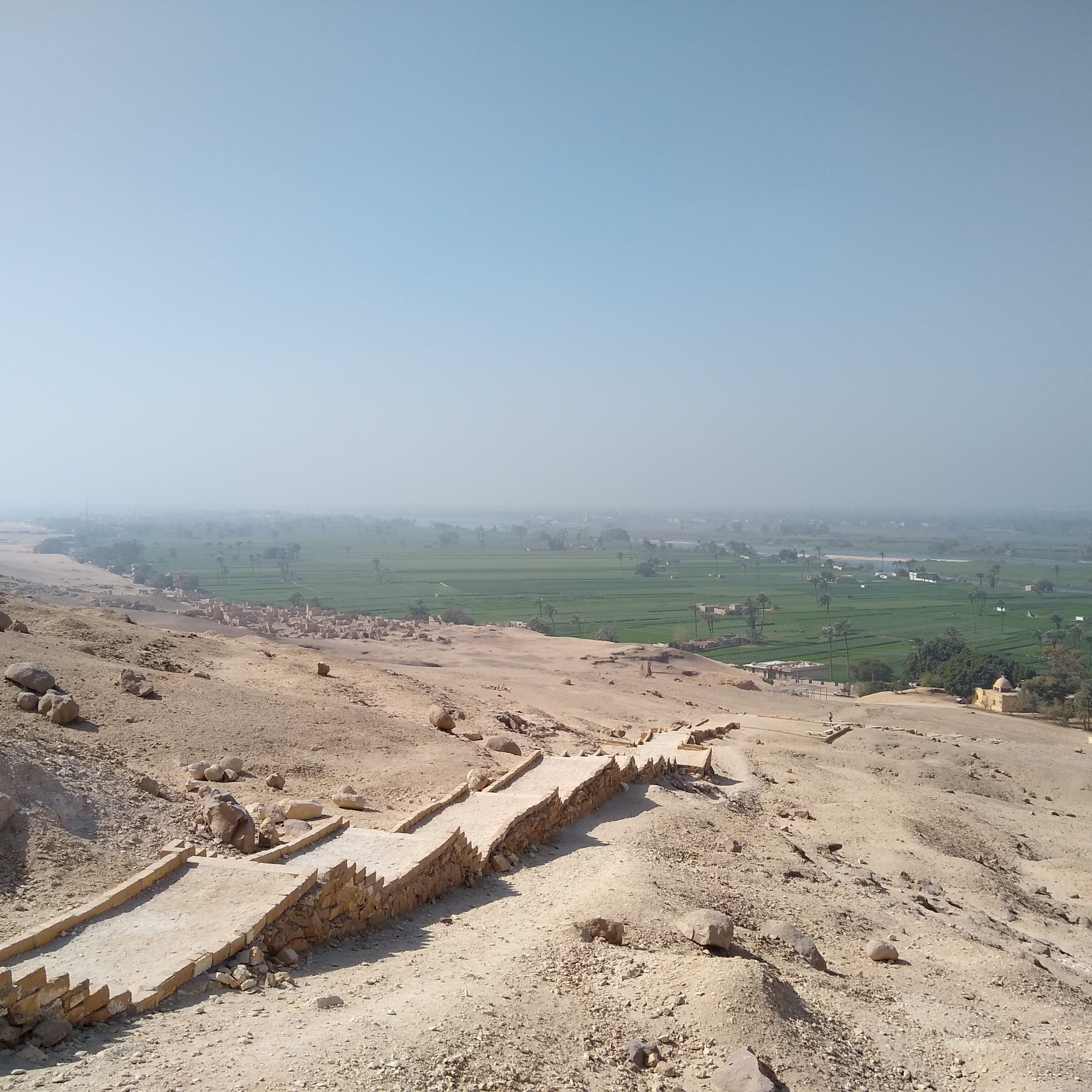
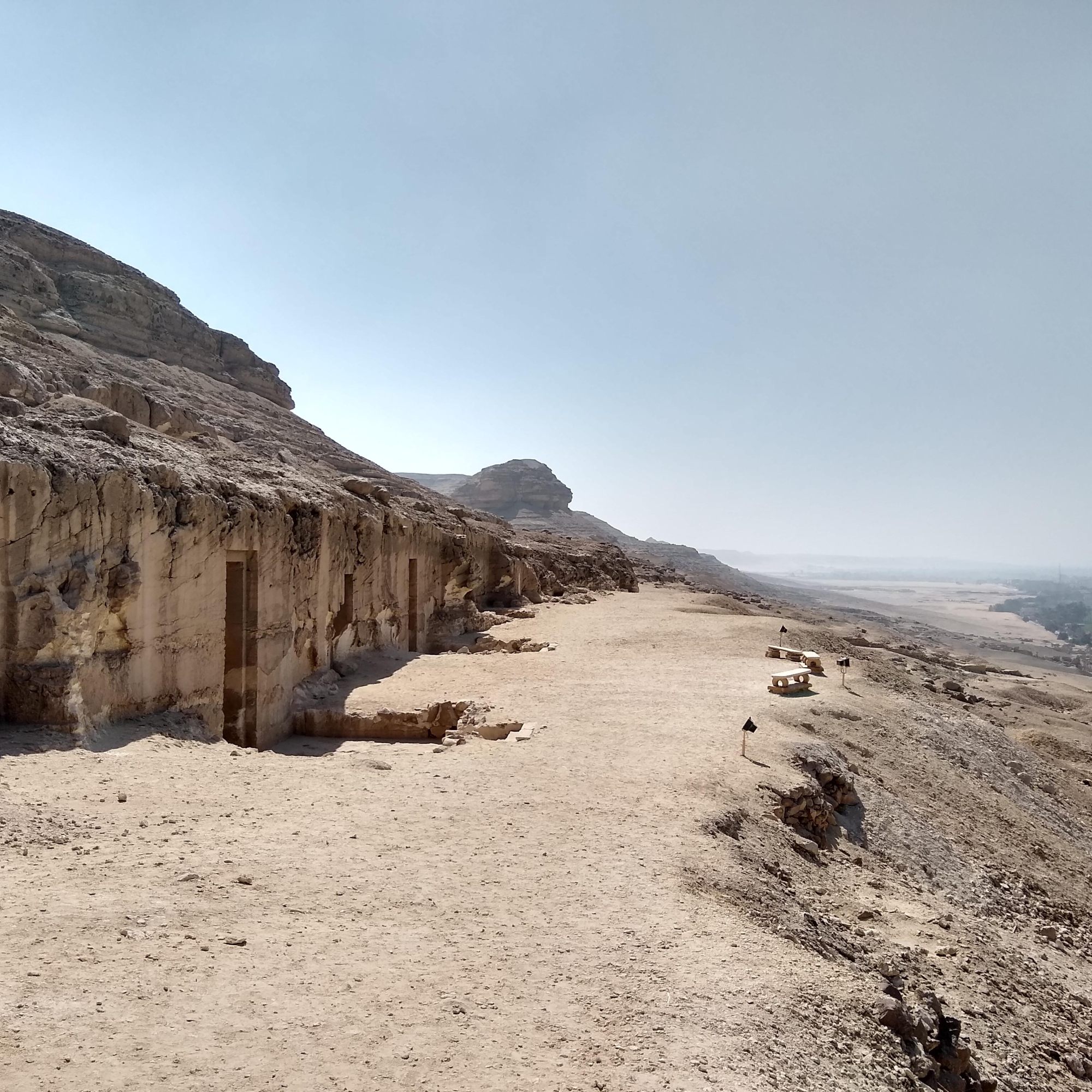
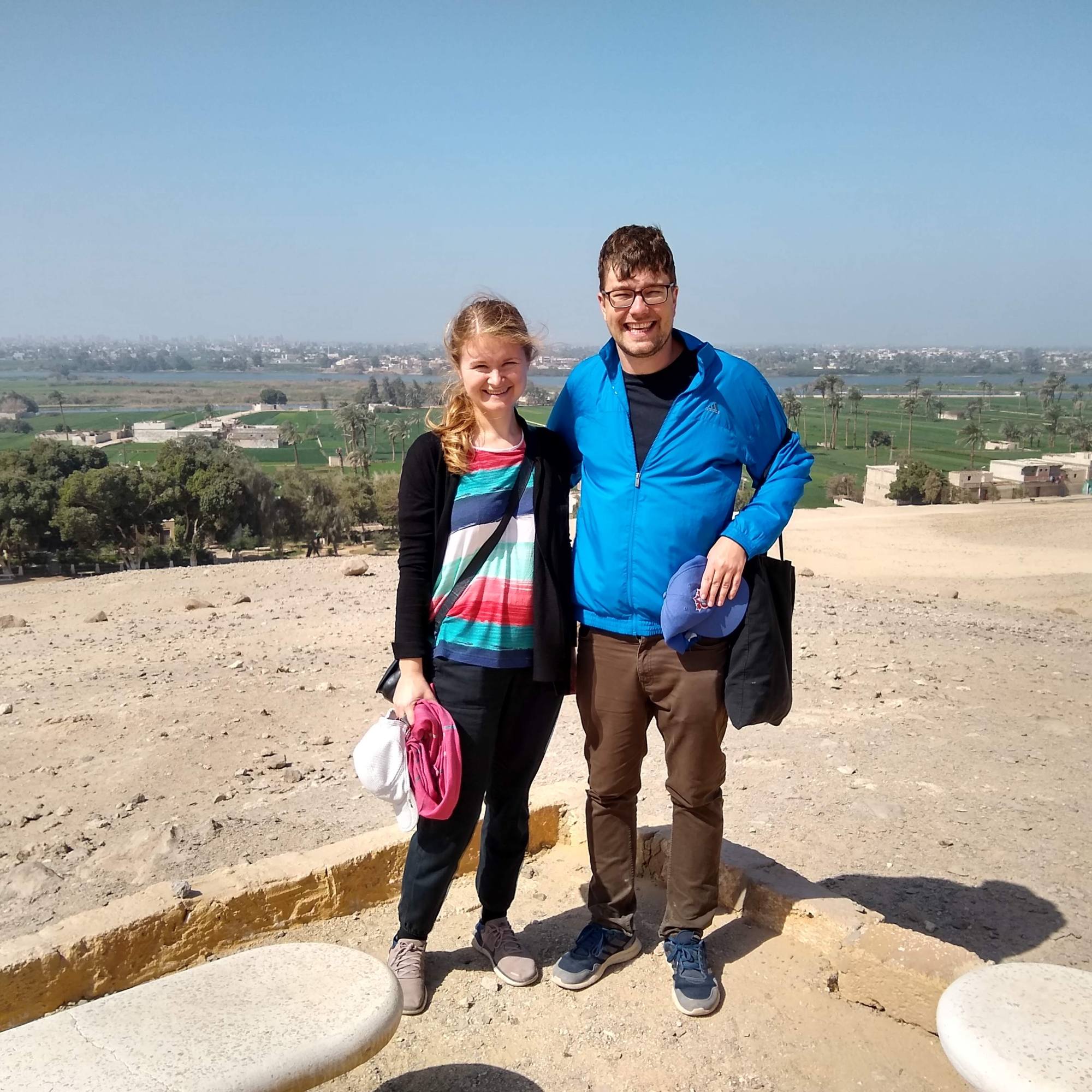
We walked up a stepp path to the tombs along with the site caretaker, our driver, and a police officer with a rifle. The caretaker unlocked a few tombs which I don’t remember being particularly impressive, and I don’t have any photos, so I assume we were told not to take any. From the top we had a nice view of the Nile and Zawiyyet Al Mayyiteen, and we were able to get close to a few of the beehive mausoleums as we walked down.


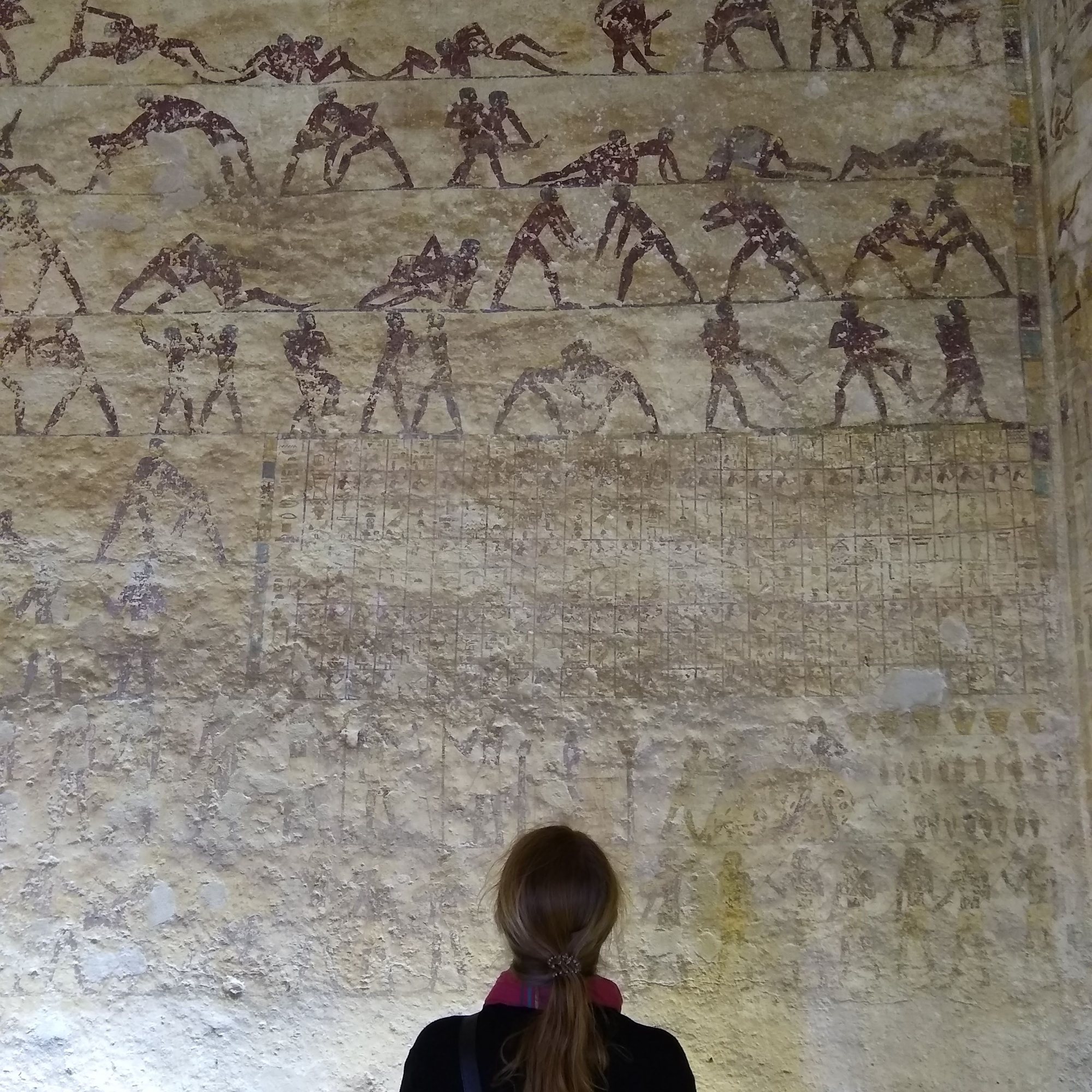
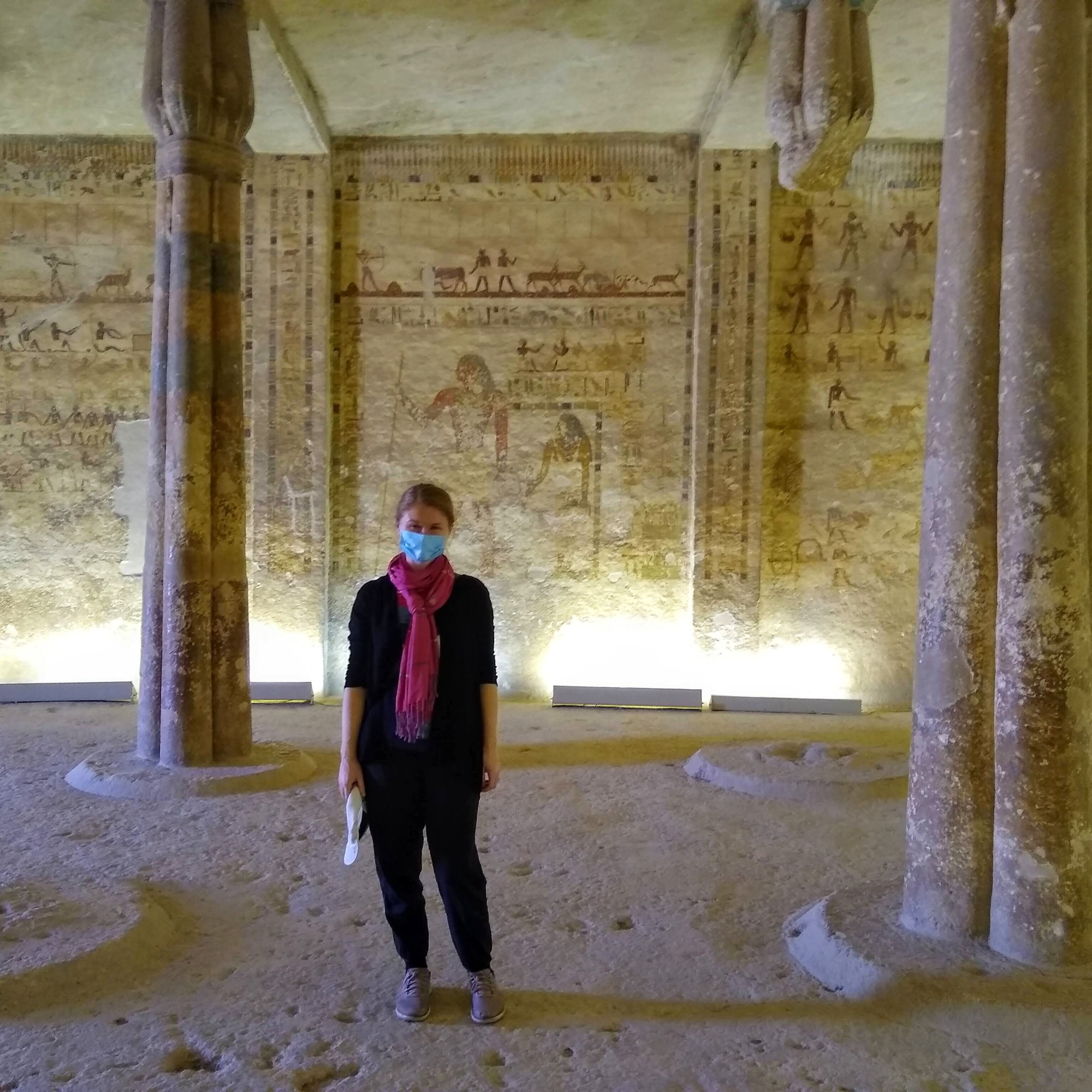
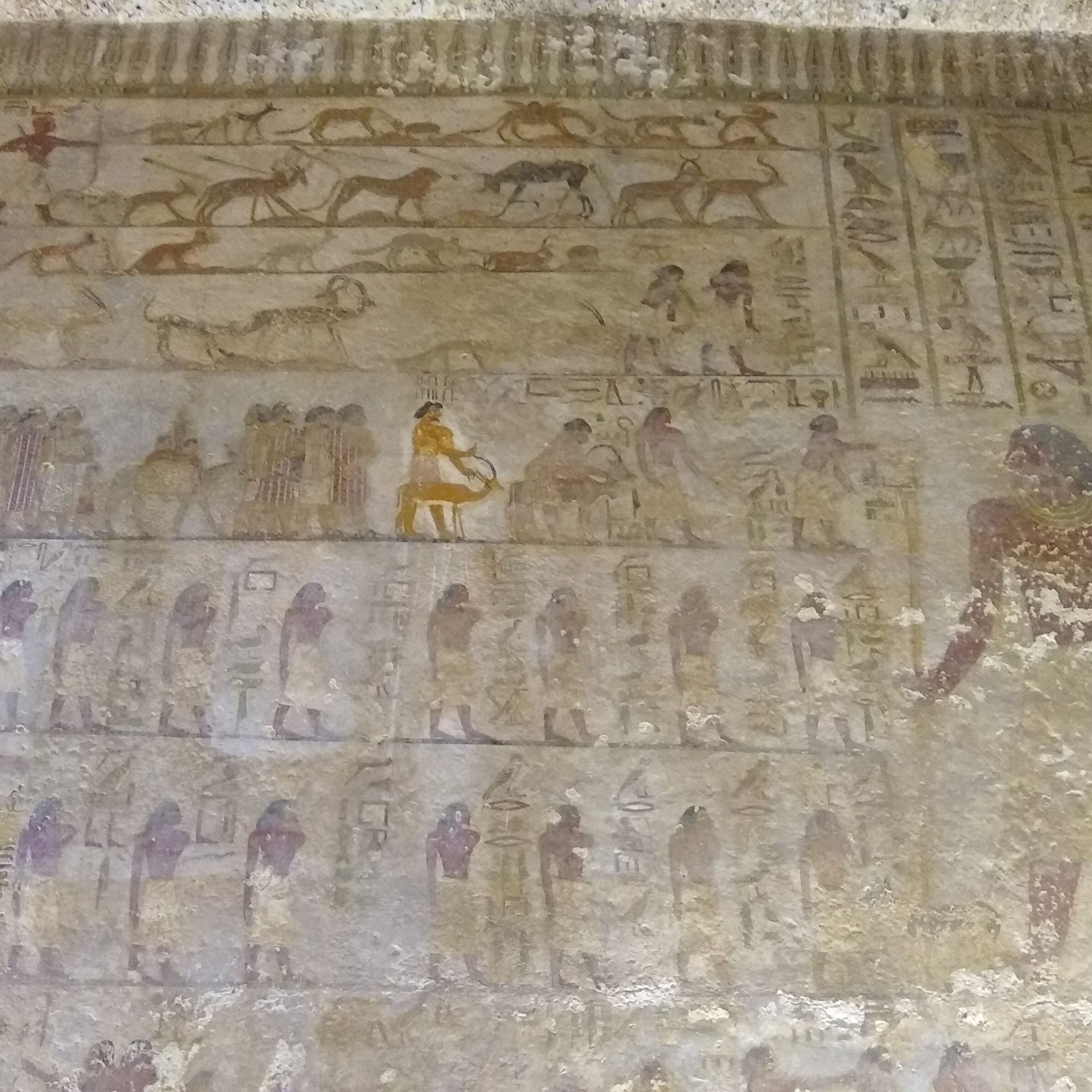
We then continued driving for about another 10km until we arrived at Beni Hassan, the most famous site in the region, and we were once again the only tourists. We visited the four tombs of members of the provincial elite from the Middle Kingdom (21st to 17th centuries BCE), and they were all quite impressive and different from the royal tombs we would see later on the trip in Luxor. They featured some interesting scenes of daily life, including wrestling techniques in the tomb of Baquet III. The tomb of Khnumhotep II also had a depiction of foreigners visiting Egypt.
From Beni Hassan our plan was to drive directly to the town of Abydos, where we would spend the night before visiting the town’s famous temple the next day. Google said that this drive would take about 4 hours, which we knew was an optimistic estimate, but we were hoping to at least cover the distance in less than five hours, which would still make this the busiest day of our trip.
What we didn’t bargain for when we initially planned this leg of the trip is that we would have a police escort for the entire journey, and that we would be forced to drive along the agricultural roads through villages instead of taking the highway. I had actually assumed the opposite, that the police would want us to drive along the much better maintained and quieter desert highway road.
So we set out from Beni Hassan, thankfully this time without a police officer in our car, but the police truck with a bunch of soldiers sitting in the back continued ahead of us. The agricultural route added several hours to our journey, but it was much more scenic and meant we got to pass innumerable donkey carts and trucks transporting sugar cane.
Each time we reached a new town, we would switch police escorts, which must have been the reason we went along the agricultural road instead of the highway. Sometimes the police cars would be waiting for us, and sometimes we would have to wait 10 minutes for their arrival. We must have changed escorts six or seven times. Each time an officer would come talk to our driver, get his phone number, confirm that we were the Canadians, and then we would continue.


Our driver was a big of a character, and he had a mix of seven of eight songs that he played throughout the trip. His playlist included mostly Egyptian songs, but also ‘Panda’ by Desiigner and ‘Candy Shop’ by 50 Cent, both of which sounded quite out of place in our surroundings!
We arrived in Abydos just in time to watch the final rays of sunshine from the roof of the House of Life hotel, which offers a special meditation and healing section for those interested in participating in Ancient Egyptian religion (the hotel’s website is quite a trip if you are curious about this sort of thing). We had dinner served in our room (more grilled chicken, rice, salad) and then decided to go for a short walk.

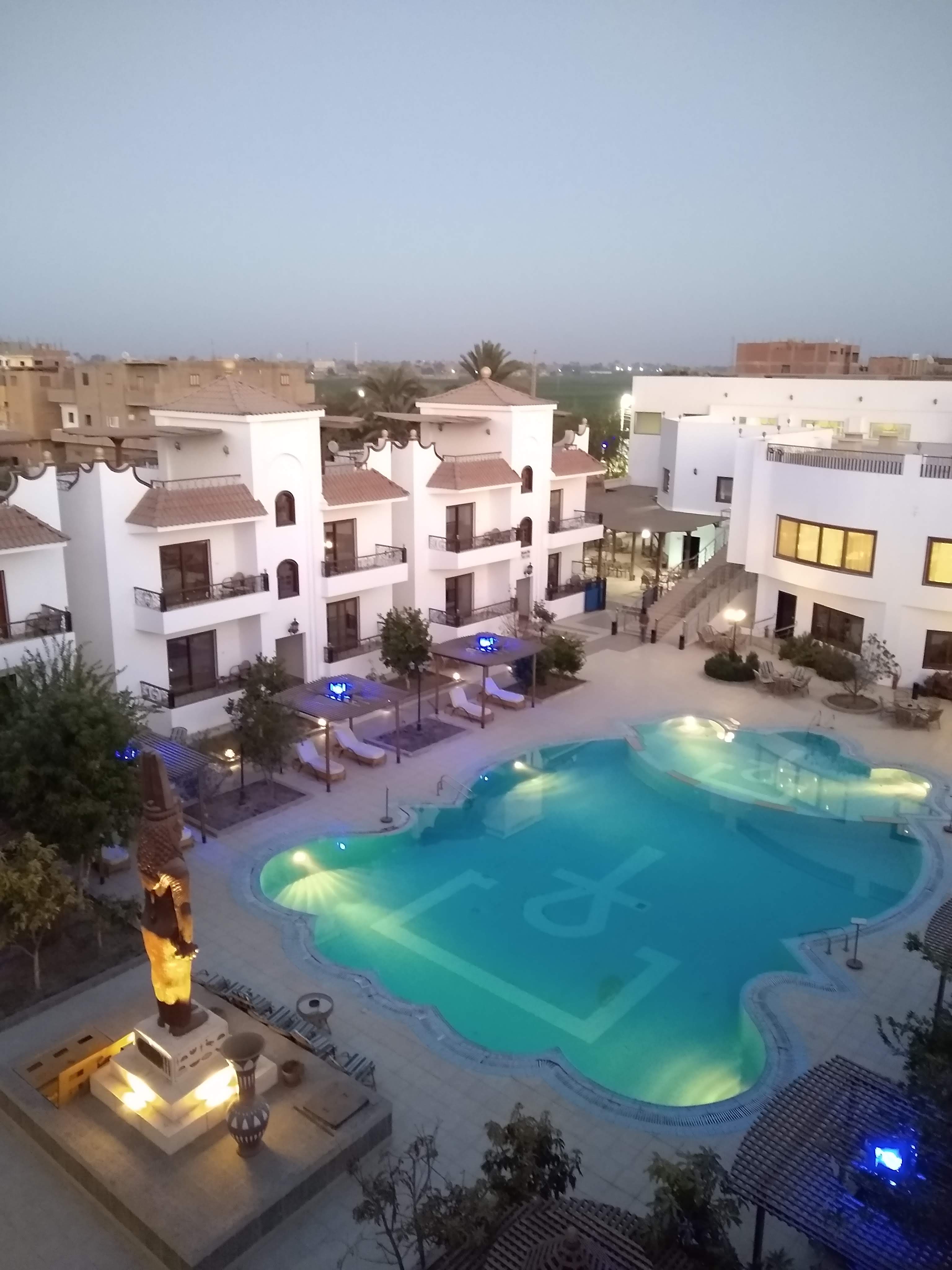
After our experience the previous day in Minya, we weren’t sure if we would be allowed to walk around the town by ourselves, so we were pleasantly surprised when no police officers followed us as we hesitantly took a few steps outside the hotel. Our only companion was a boy trying to sell us souvenirs who already knew that we were Canadians (word travels fast).
We made the short walk to the illuminated Temple of Seti I and then circled back to the hotel, enjoying not having anyone follow us.
The next morning we ate breakfast next to an open window in the corner of the dining hall, far away from a group of Egyptians who seemed to be the only other guests of the hotel, because these were the days when we were still being very covid cautious.
We walked up to the temple entrance past the police checkpoint who asked if we were the Canadians, and after confirming our identities they radioed ahead so that all the other temple staff were prepared for our arrival.
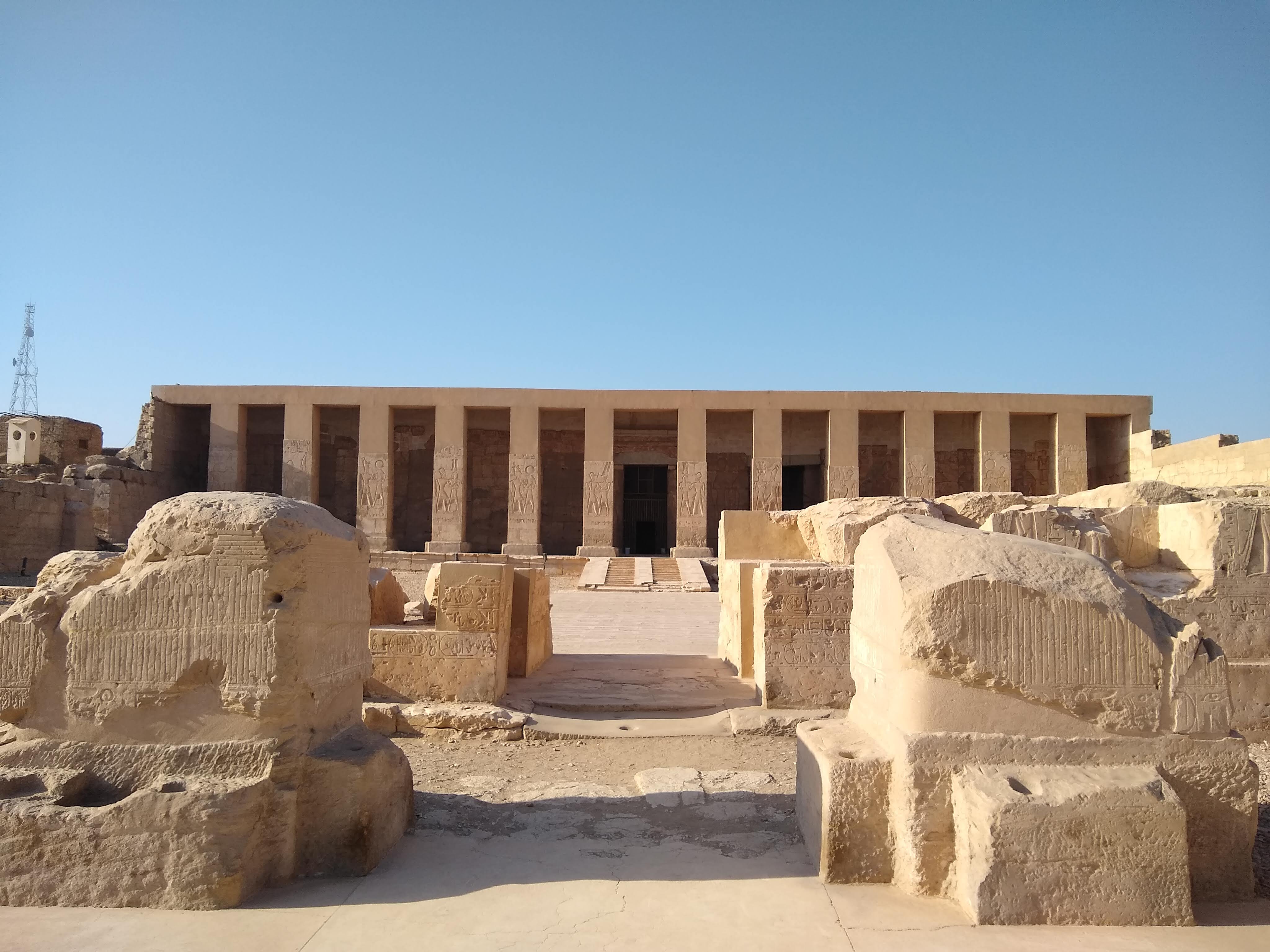
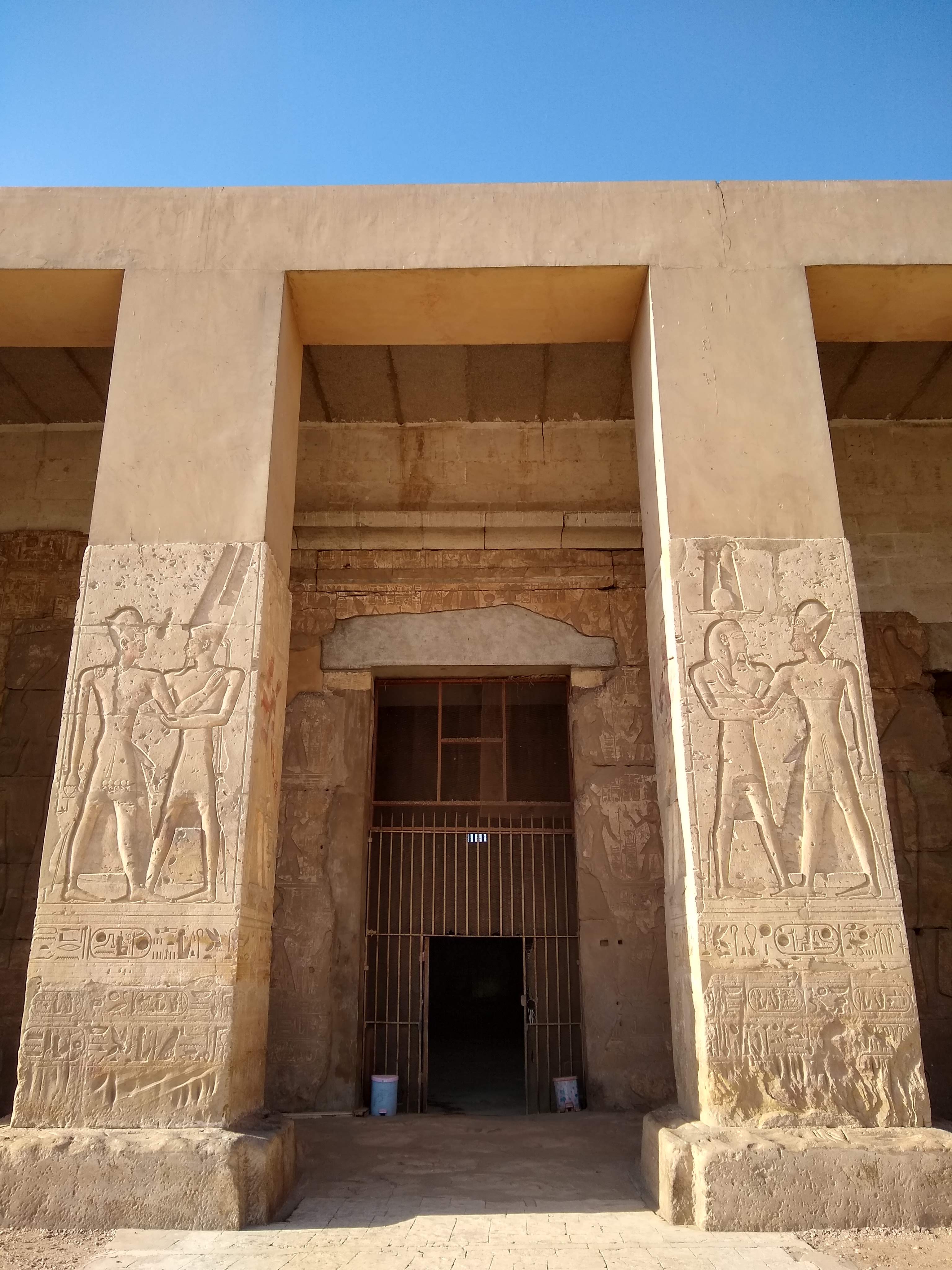
After living in Egypt for a year and half, this was the first time we actually visited an ancient Egyptian temple, and it was an incredible experience. Later in the trip we would visit Karnak and the other more famous temples and Luxor, but the temple in Abydos remained my favourite. I am sure the order you see the temples plays a big role in how you rank them, and we were also lucky to have the Abydos temple entirely to ourselves (besides the guards who left us alone after we politely rebuffed their attempts to act as a guide). Unlike the other temples we visited later, the Abydos roof is still mostly intact which helped lend an air of mystery as we wandered through the seven chapels dedicated to different Egyptian deities.
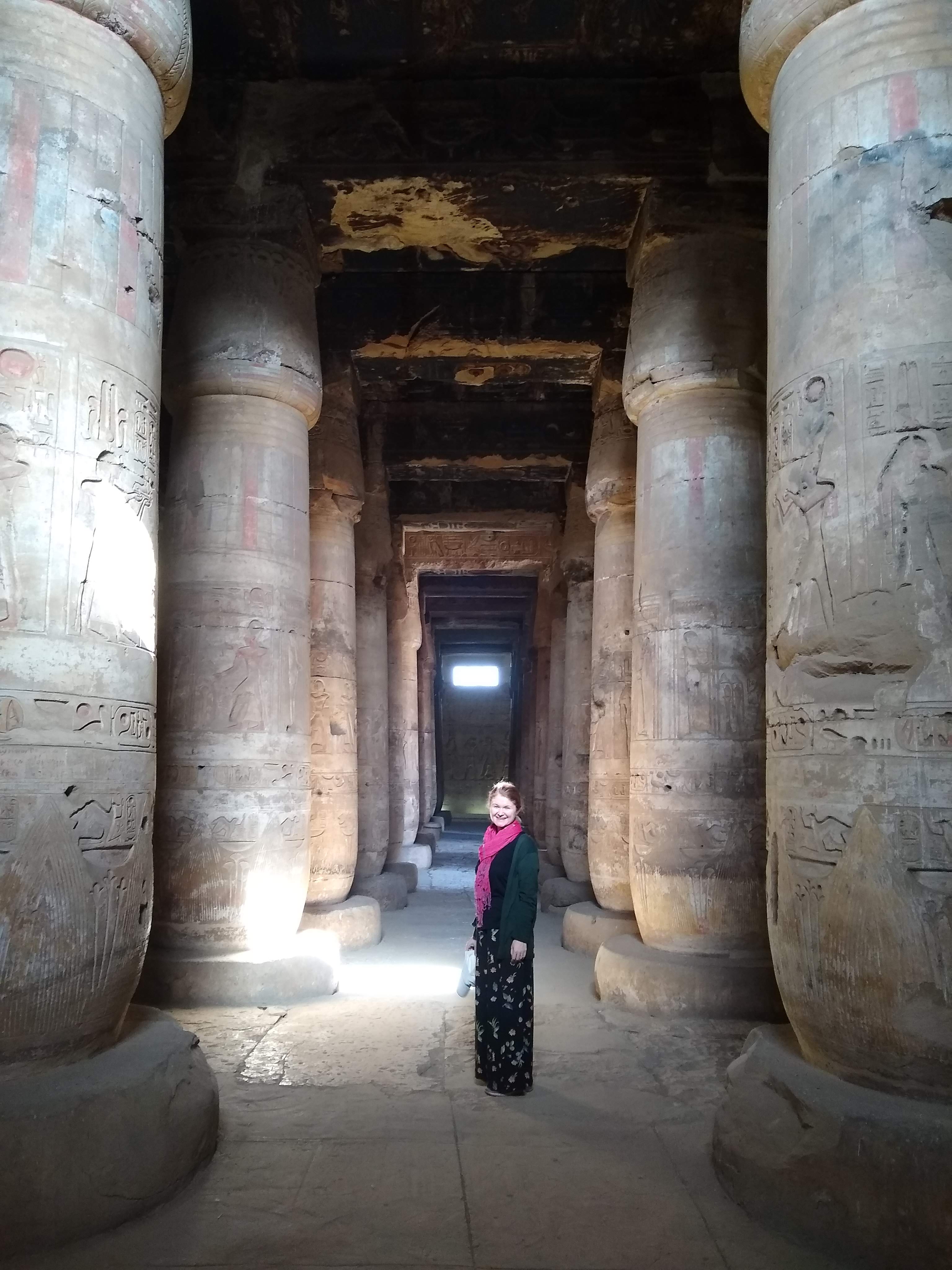
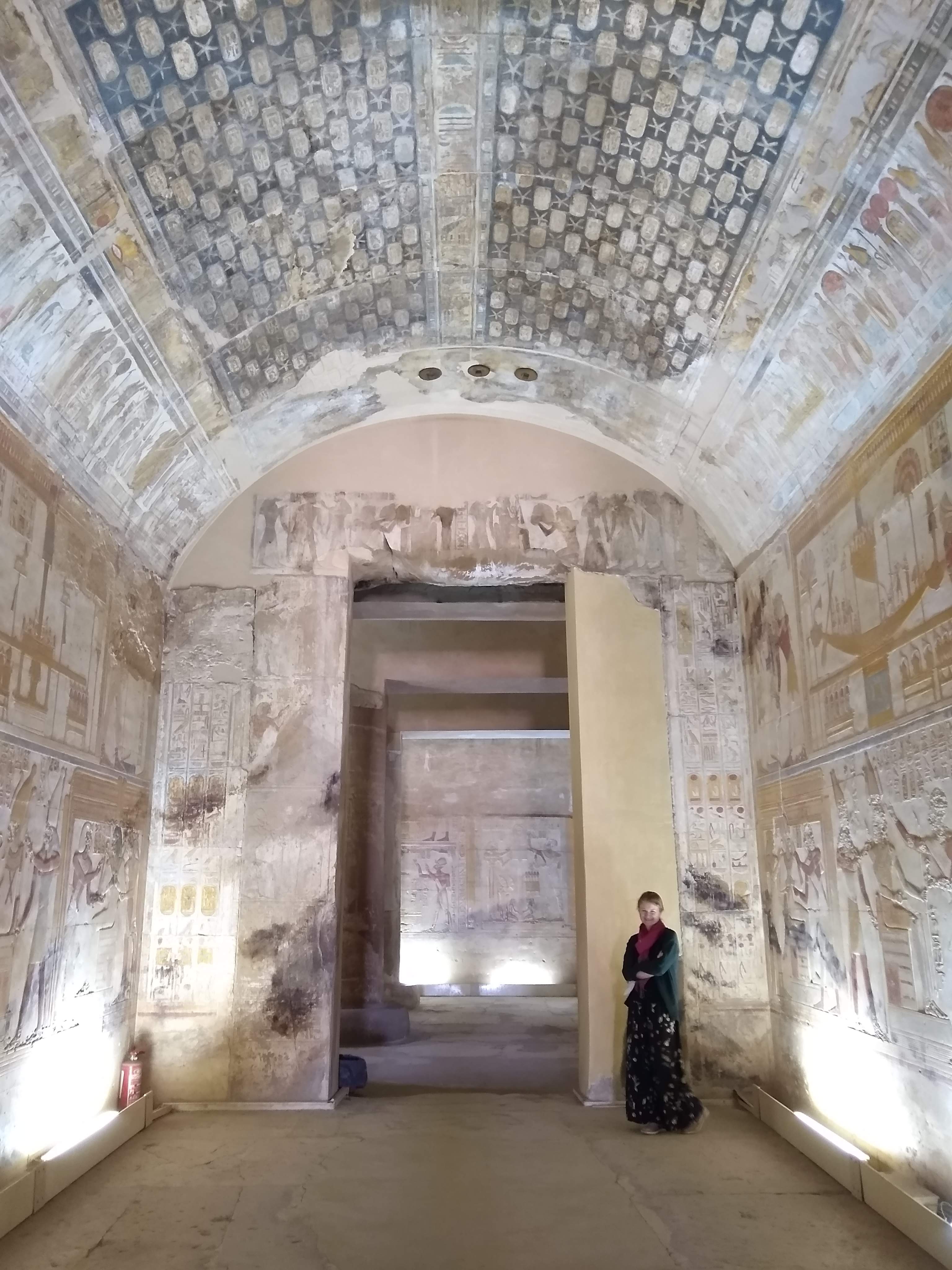
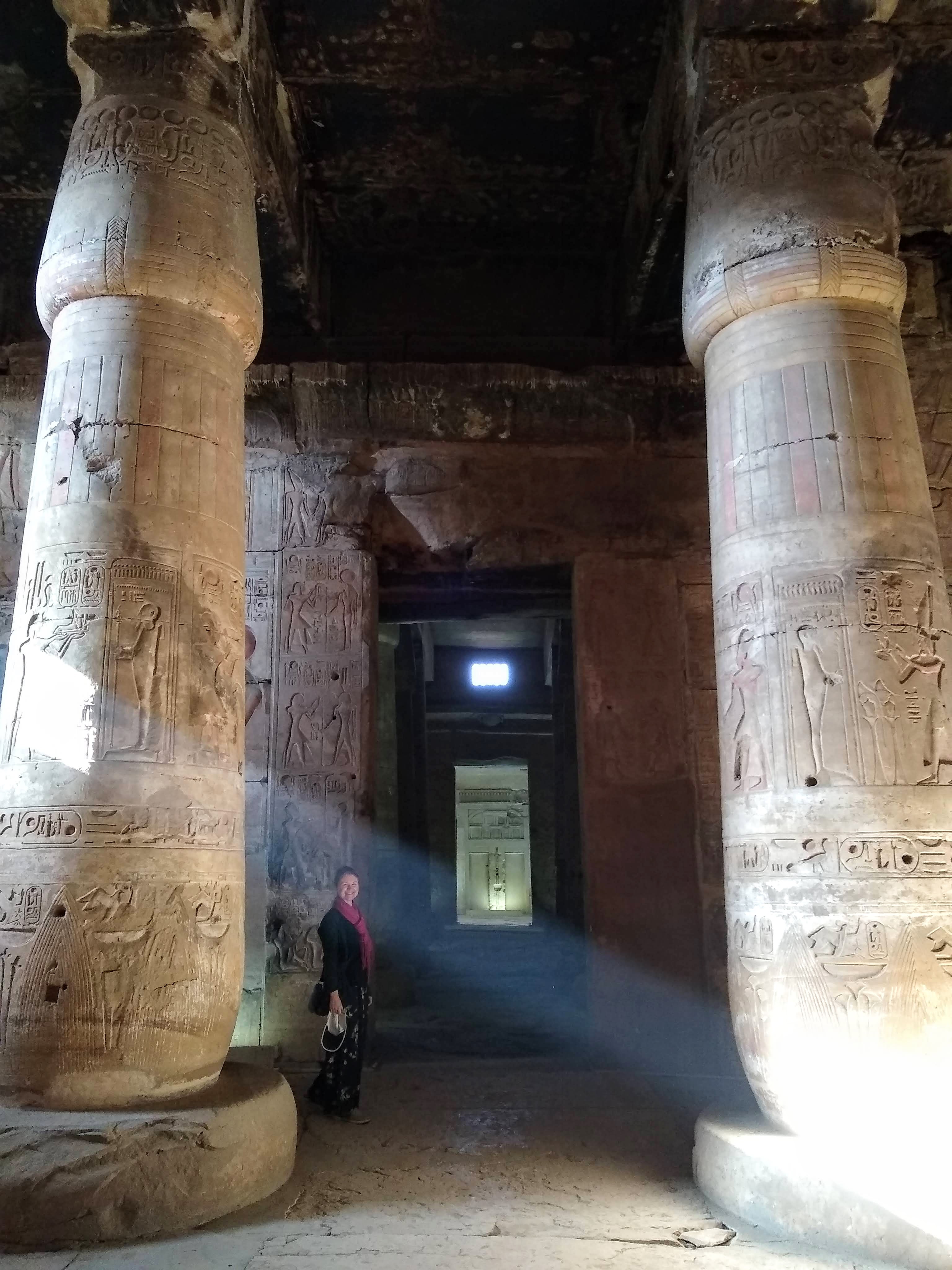
We returned to the hotel and packed our bags, and then met Hass, the owner of Love Egypt Tours, who we had hired to bring us to Luxor. We asked about the police and he said that they would escort us along the agricultural road for the first half of the journey and then we would be allowed to continue to Luxor on the highway for the second half. He said it was always a constant negotiation, and that once he brought 20 British tourists to Minya and the police tried to track their every move (something we were well acquainted with!).
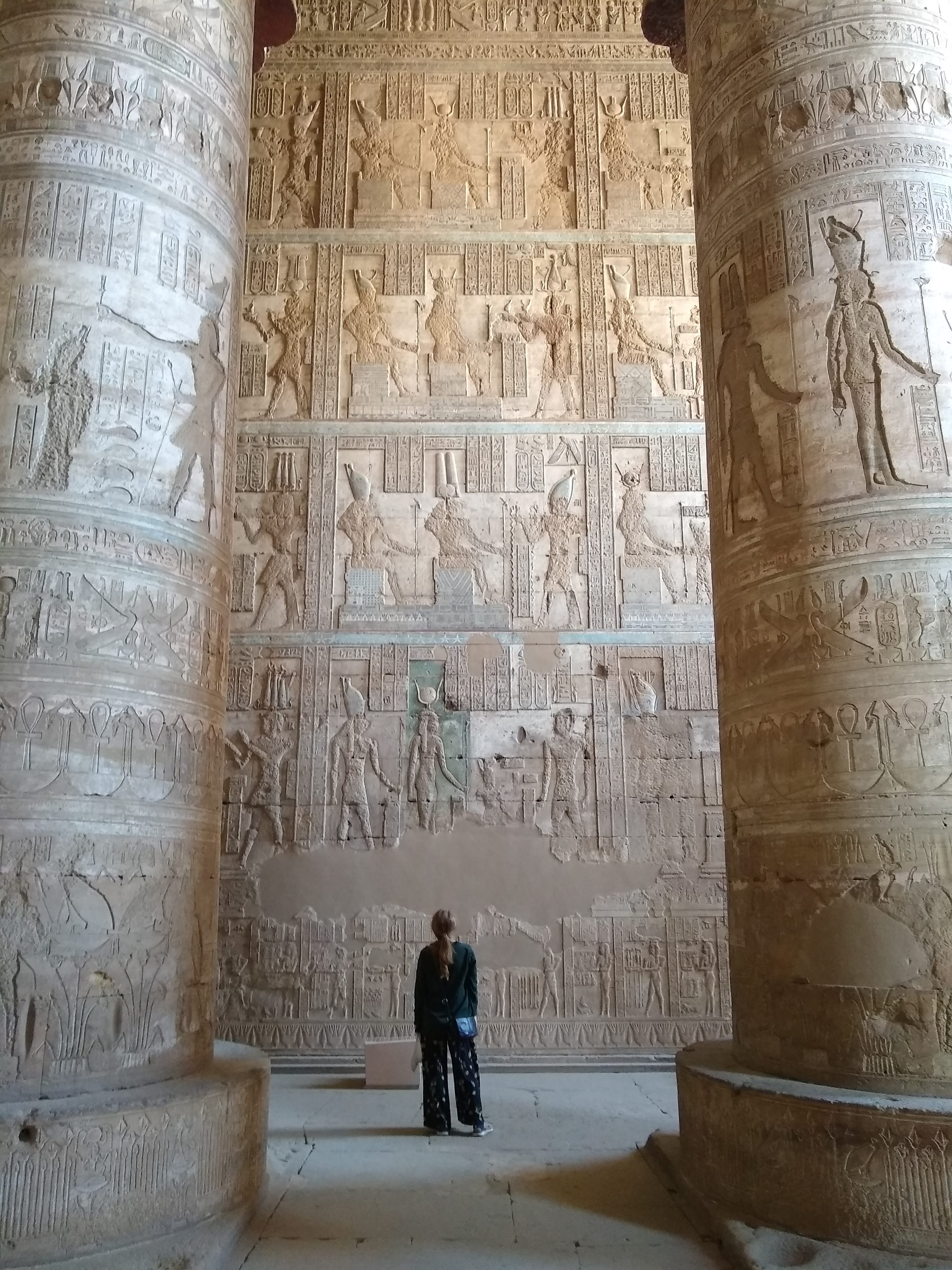
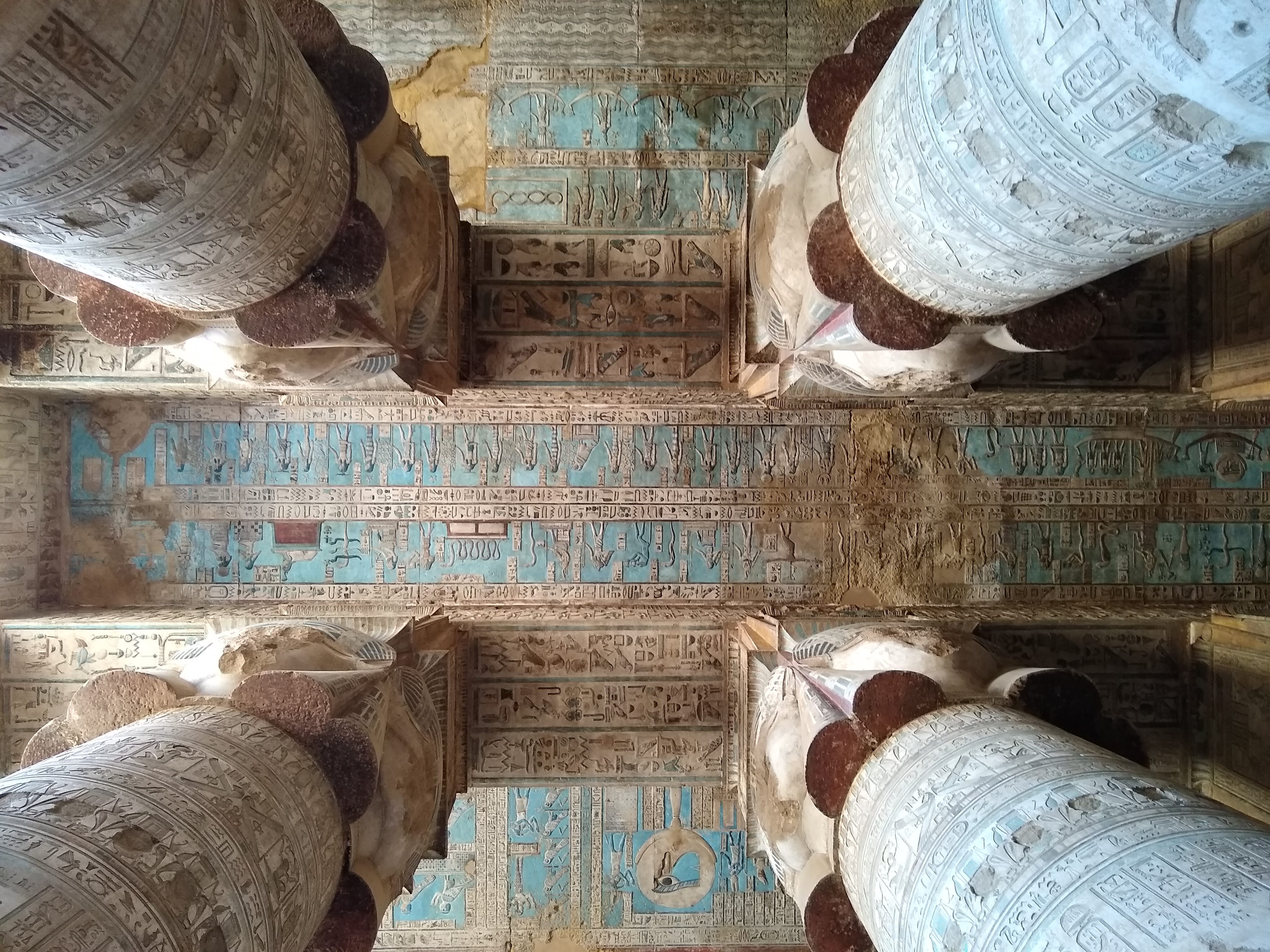
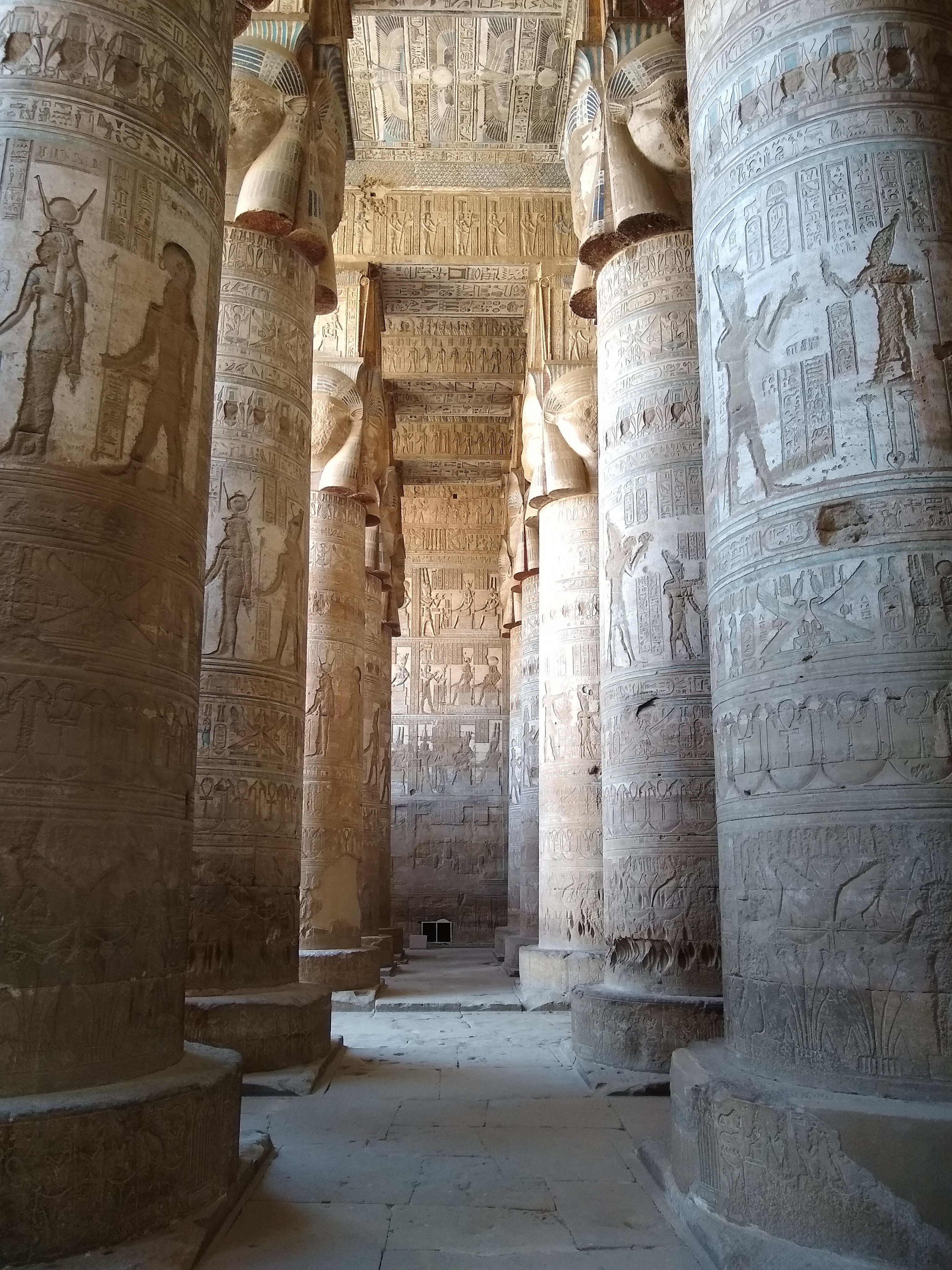
Halfway to Luxor we stopped at Dendera Temple, just outside the town of Qena. There were only a handful of other tourists, and we had some time to ourselves in the impressive Hypostyle hall with huge columns topped with Hathor heads and a well preserved ceiling with lots of blue. This was definitely one of the most impressive sites we have seen in Egypt.
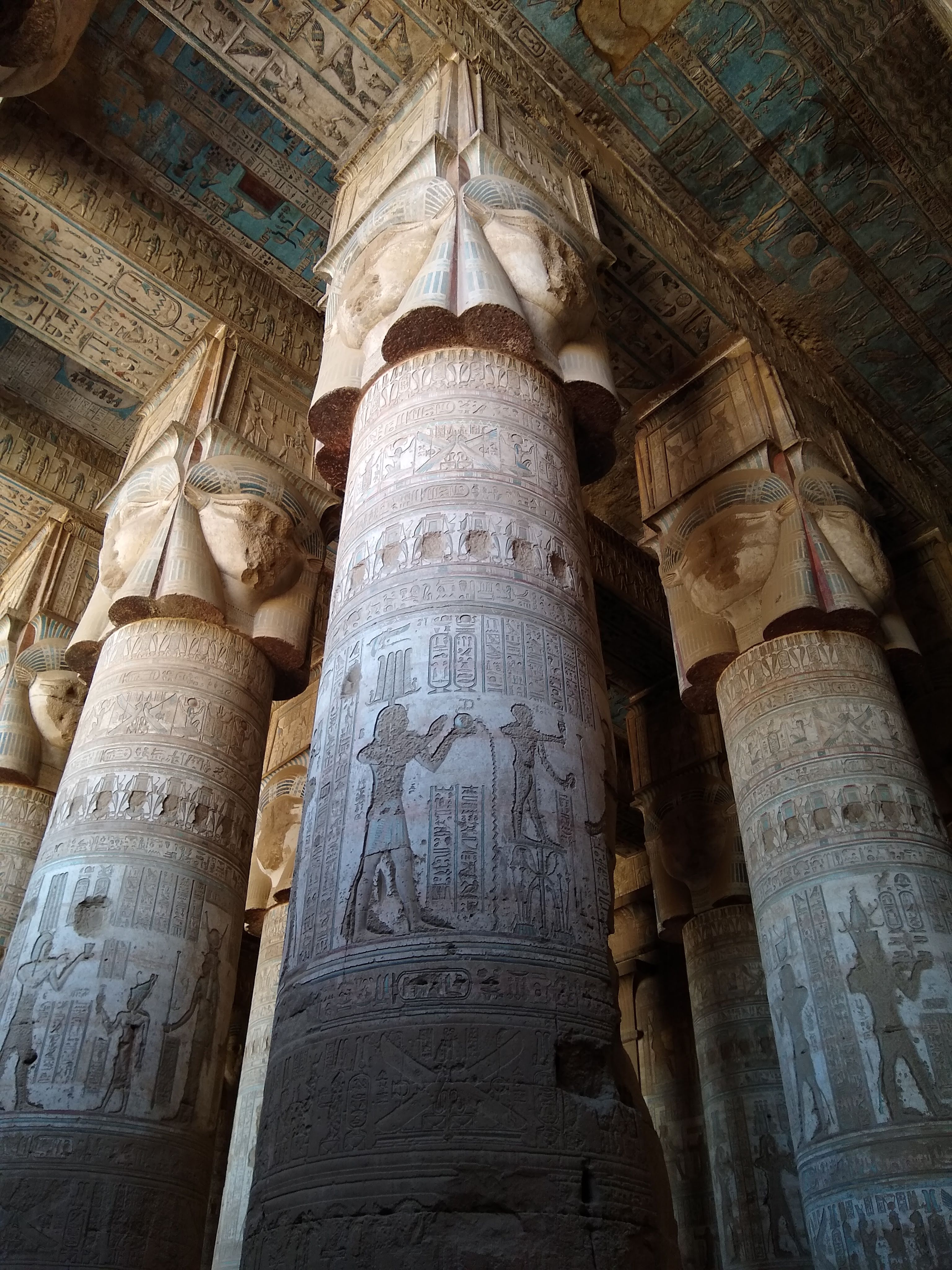



After finishing our visit we got back in the minivan and continued on to Luxor (finally without a police escort). We checked into the historic Winter Palace Hotel, which served as our base for the next few days, including when we walked between some of the main sites on the West Bank of the Nile.
 Paul Anderson