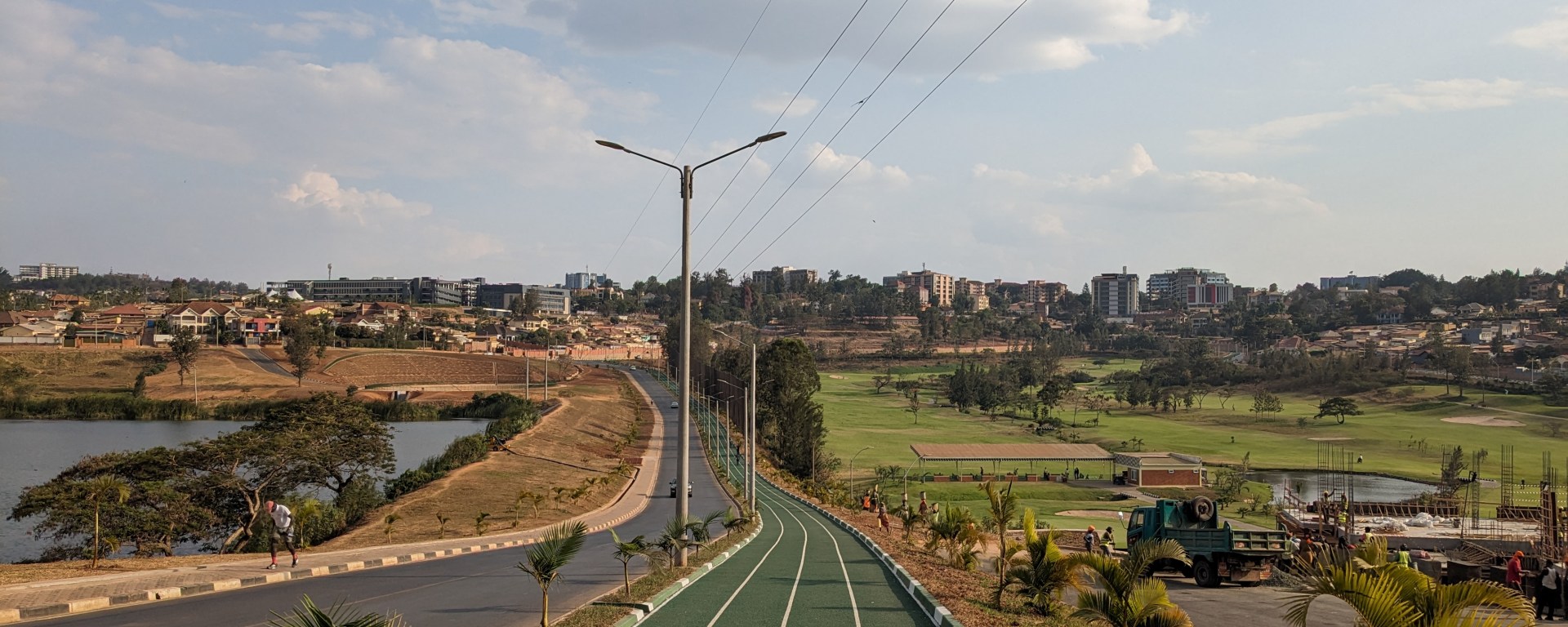
Four months ago, we arrived in Kigali at 3am, and since then we have been regularly asked about our first impressions of the city.
In the leadup to the move our conversations focused on the city being green, clean, and quiet, especially compared to Cairo, our previous home of 4 years.
Our experience of the city has mostly been as advertised, but what has really struck me so far has been our transition to a more suburban lifestyle.
We survived without a car for a couple of weeks, but after some not great experiences with taxis, we decided to rent a car while we searched for a more permanent solution.
We settled on buying a 2010 Hyundai Tucson that had recently been imported from Korea, and I have driven more in the past few months than any other comparable period in my life. We also have rented a four-bedroom bungalow with a good-sized yard. Since Jessica and I got married 12 years ago, we have always lived in apartments and without a car, so this has been quite an adjustment for us.
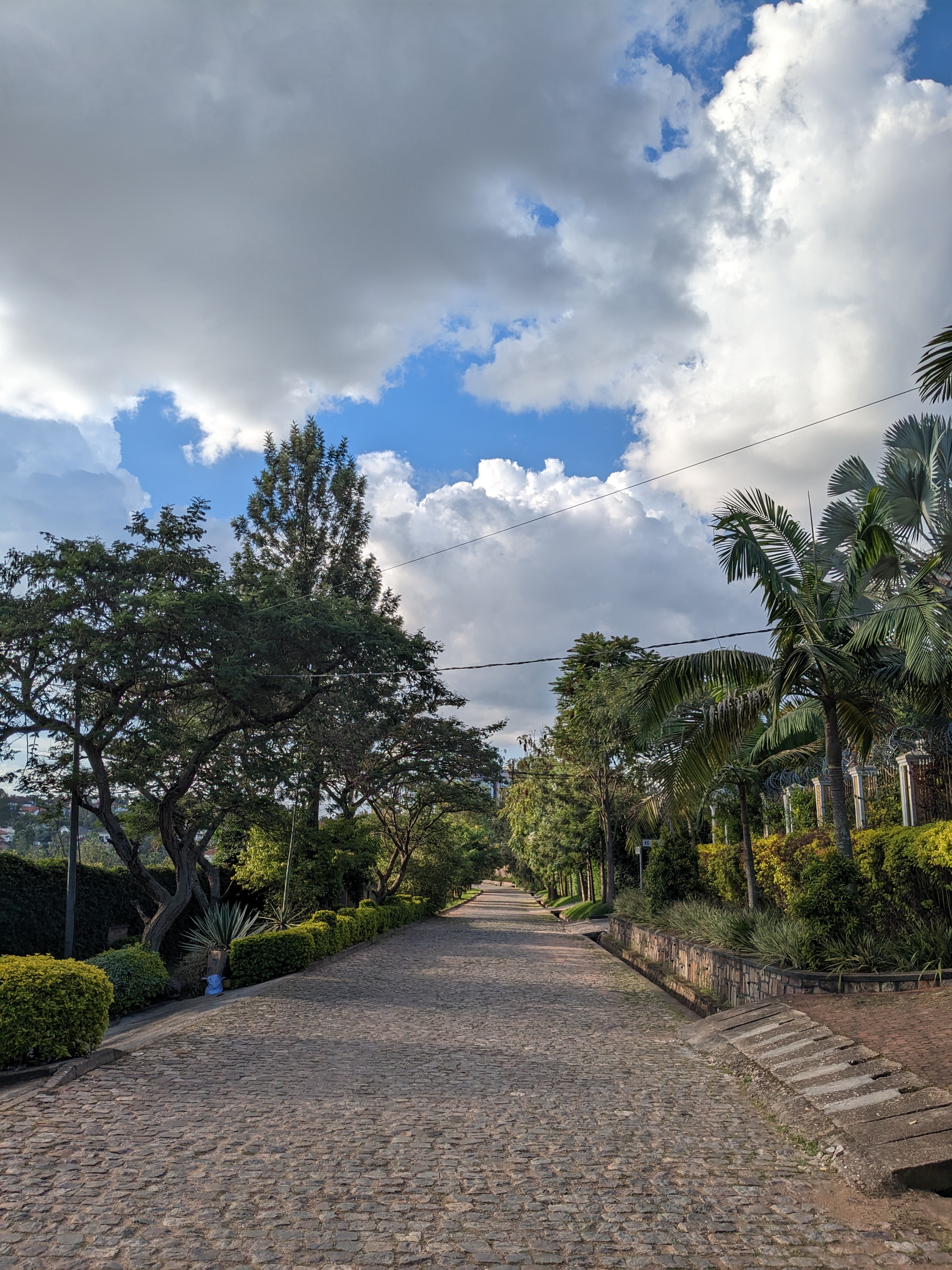
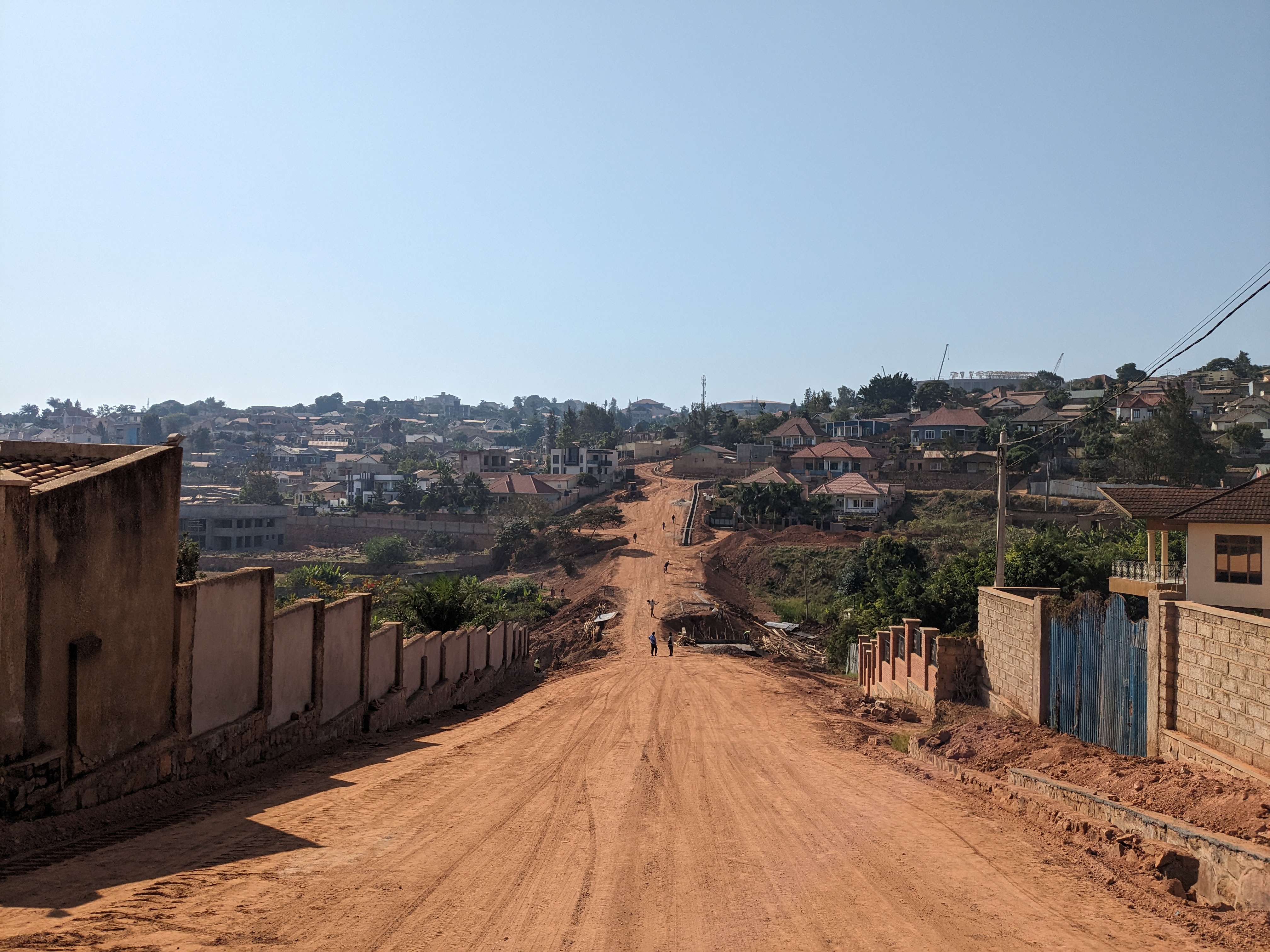
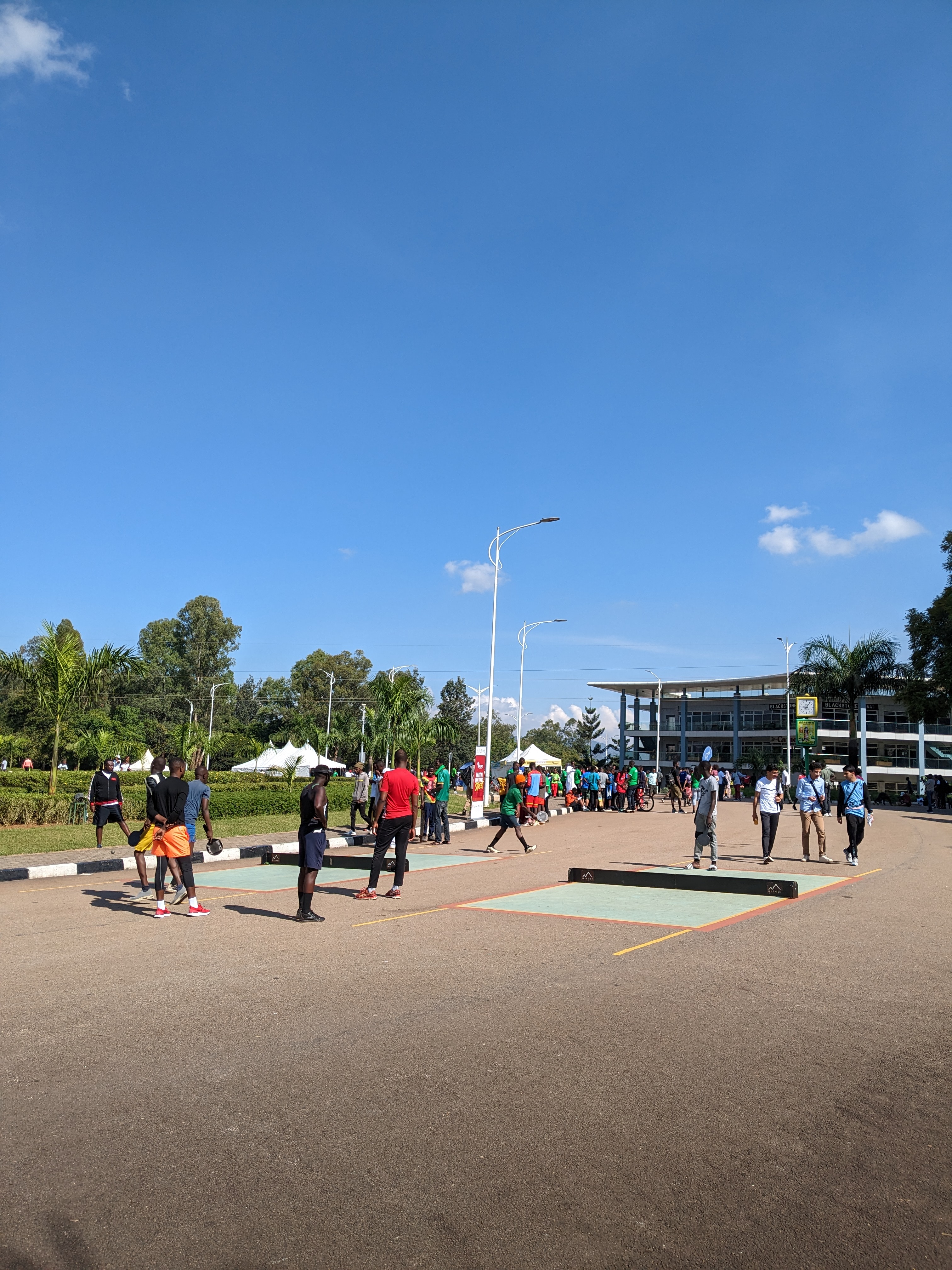
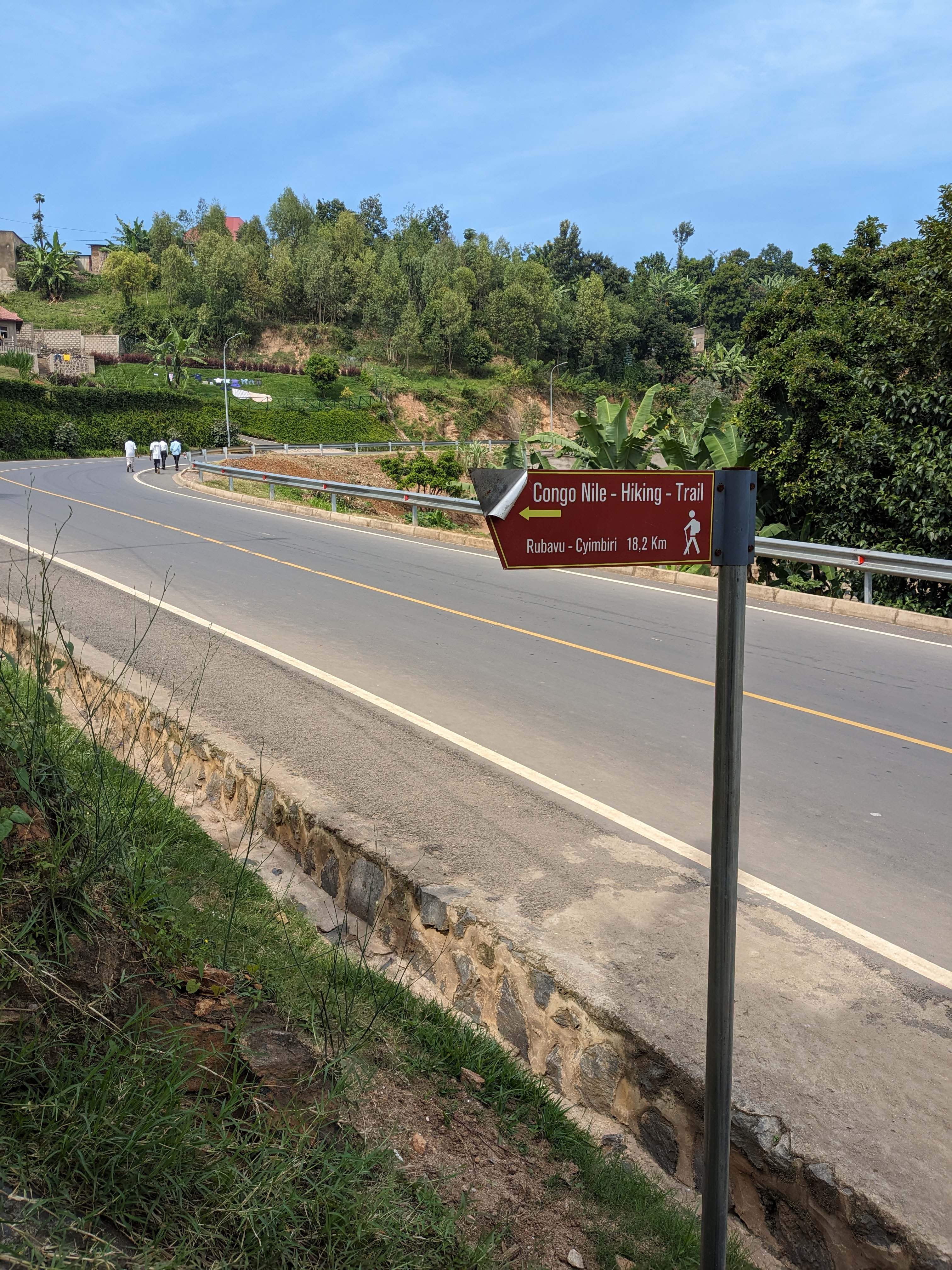

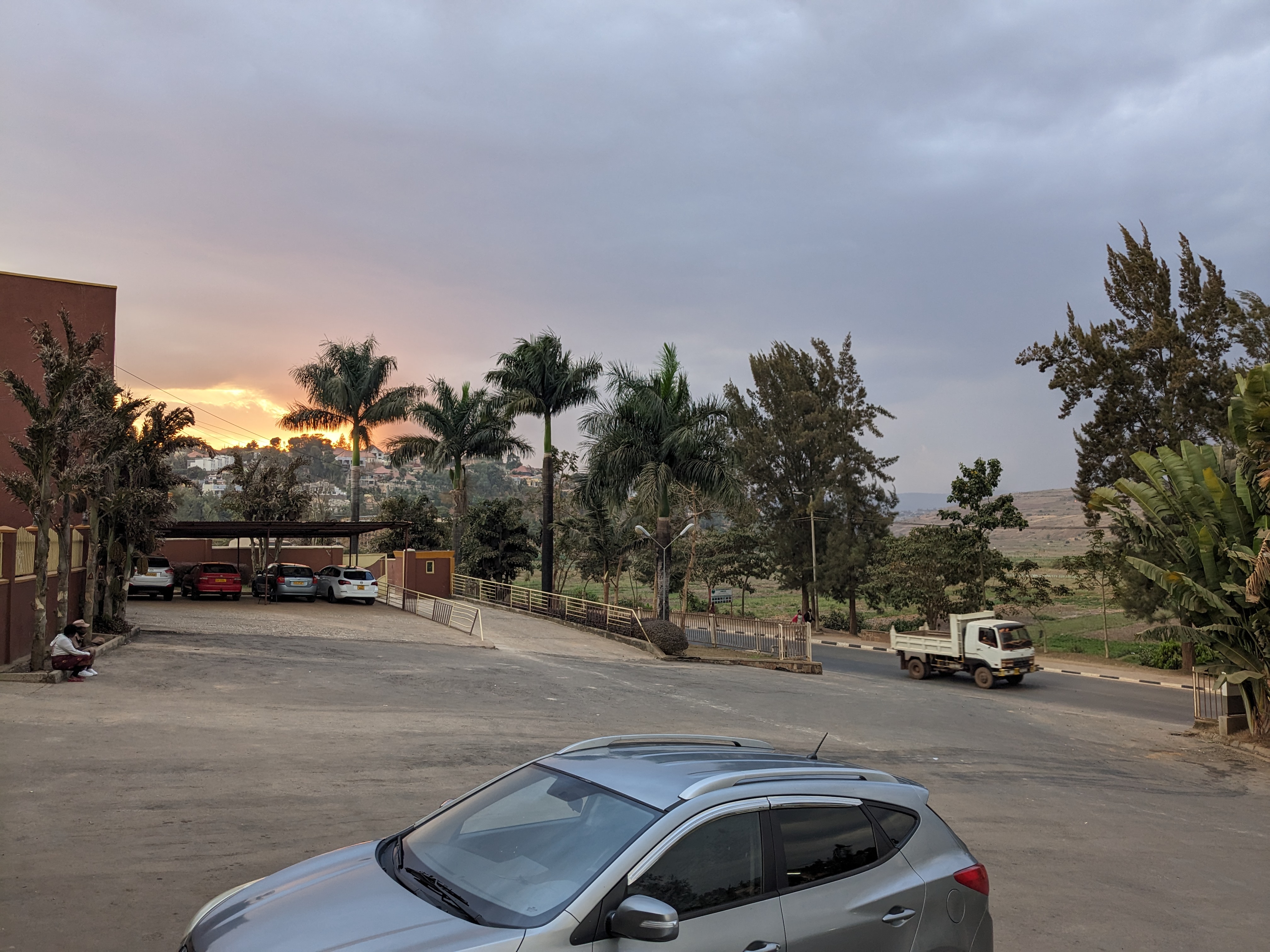
When I have commented on the suburbanness of life here, a few European friends seemed surprised that us North Americans would find it so strange to drive everywhere.
Of course it is true that after growing up in Ottawa we are no strangers to suburban life. Jessica’s family was entirely car-dependent as they lived on the outskirts of the city. My family lived more centrally, and there was a major bus/train stop across the street, so it was easy for me to get to university or downtown without a car.
My family still did our fair share of driving, especially to places that were less accessible by transit. I got my learner driver’s license soon after my 16th birthday, and at 17 I was able to start driving by myself, which made it much easier to go visit Jessica. But I never drove my parents car on a daily basis, at most a few times a week.
–
After we got married, we moved first to Toronto, and then Geneva and Rome. In each city we lived centrally and relied on a combination of walking and public transit.
We then moved to Cairo, where we continued to walk but swapped public transit for Uber. The driving in Cairo can be intense, and since Uber was reliable and inexpensive for us, we were happy to continue living car-free. Some of our friends did own cars, but they would usually only use them for weekend trips out of the city, and we would instead just hire a driver.
After Ralph was born, using Uber became a bit trickier. The first problem was that most Egyptian Ubers lack rear seatbelts, making it impossible to properly use a car seat. We started exclusively requesting Uber Comforts, which were more expensive but still cheap by Canadian standards. The Uber Comforts usually had seatbelts, but we still had some frustrating early mornings standing in front of our building while multiple Uber Comforts arrived without seatbelts.
The other big annoyance was deciding what to do with the car seat once we arrived at our destination. If we were just going to one place, like a friend’s house or a restaurant, it was easy to leave it in a corner somewhere. But we often planned our excursions for Friday mornings, the only time when Cairo streets are calm, and we usually wanted to take this opportunity to visit a few places and walk around. Sometimes we would ask to leave the car seat at our first destination and then walk a bit before returning to pick it up. Other times we also brought the stroller and awkwardly shoved the car seat into the stroller basket, which also had the benefit of making Jessica happy since it helped her justify our car-sized Uppababy stroller.
This was all starting to get annoying, which is why we were delighted when the Zamalek metro station opened nearby our apartment, and so during our last year in Cairo we were able to put Ralph in the carrier and easily travel to some areas of the city by metro.
–
In December 2021, we visited Canada for the first time in more than two years. A lot had changed for both us and our friends since we had seen them last. Kids had been born, cars had been purchased, and moves had been made to the suburbs.
We spent much of the trip driving around Ottawa’s periphery in the dreary winter weather. We listened to commercials on the car radio, we went to Costco, we shopped at suburban malls which now all have an obligatory legal cannabis shop.
Most people we visited seemed mildly depressed, and how could you blame them after all the pandemic restrictions they had endured. To me it also seemed slightly alienating to live in a big house far away from friends and family, and without anything interesting within walking distance.
We returned to Ottawa eight months later in August 2022, and by then people had mostly returned to their normal lives. The weather was nicer and people seemed happier. We still spent a lot of time driving around the city, but it was less depressing when we could also make frequent stops to large parks and public spaces.
–
Going home to Cairo after this felt more difficult than after previous trips. At this point we had been living in the city for more than three years, and the 40 degree heat and constant noise felt more oppressive after tasting the pleasant Ottawa summer. Perhaps a fourth summer in Cairo is as depressing as a suburban pandemic winter in Ottawa. Some of our good friends had also left Cairo, more were on their way out, and a change of scenery started to feel more appealing.
If we were going to leave, we wanted to go somewhere smaller and quieter than Cairo (which is still most of the world!). When Jessica had the opportunity to apply for Kigali, we read about all the (mostly) true cliches about the city. We watched videos of people walking around the city on large sidewalks. We looked at rental prices and saw that we could rent a large house with a yard for cheaper than an apartment. We were sold.
I know that some people consider our move to Kigali with a toddler as adventurous, and that feels partly true, but I wonder if moving from Cairo to Kigali is really all that different from moving from a Canadian downtown to the suburbs. Almost all the expats we have met say that Kigali is a bit boring but that it is a great place for kids, which sounds like the same argument people make about suburban life generally.
The other day I talked to someone who had moved here from Dakar, and he said that although Dakar was more exciting, he was happy to be here with his young child. I have even found myself repeating similar platitudes about how it is easier to be in Kigali with Ralph, but in reality we had a wonderful setup in Cairo. We lived across the street from Jessica’s office and only a five-minute walk away from a huge playground inside the private sporting club where we met our neighborhood friends on a daily basis. There were a ton of restaurants and shops within a short walking distance in our neighborhood, so our day-to-day life was actually quite easy, and I don’t think that Kigali offers a better lifestyle for families compared to our life in Cairo.
–
Jessica’s Kigali office in Kigali is located in Nyarutarama, an upscale neighborhood about a 15 minute drive from downtown, or ‘Town’ as people refer to it here. Nyarutarama’s main thoroughfare is Avenue 9, which I would say is a poorly designed ‘stroad’ that gets quite busy during rush hour. There are few restaurants and bars along the street itself, but the cars are often driving fast and the motorbikes are weaving in and out of traffic, making it less than ideal for strolling.
Once you get off the main road the streets of Nyarutarama are quiet, and some offer beautiful views of the golf course and the adjacent small lake and green space. There are a few embassies scattered around, but there isn’t retail or much else of interest.

Originally we considered houses outside of Nyarutarama since they are cheaper and because people recommended some other neighborhoods that would take Jesica 10-15 minutes to commute by car.
We didn’t love any of the houses we saw outside of Nyarutrama, and after driving around a few times during rush hour we remembered that commuting by car is always best to be avoided, even in a small city like Kigali, and so committed ourselves to living within walking distance from the office.
We settled on a bungalow a 15-minute (partly uphill) walk from the office. The surrounding streets are quiet and boring, but it only takes five minutes to walk up to the main road where there is a grocery store and a coffee shop. There is also a school/daycare a 10-minute walk away, and just a bit further there is a nice outdoor restaurant with a large playground where I take Ralph several times a week. So even though we have now become car people, there are still days where the car stays in our driveway.
In Cairo, we were known by some of our friends as the crazy people who walked everywhere, and we also want to preserve some of that spirit here in Kigali. Jessica and I have done a few dinners without Ralph where we walk for over an hour to the restaurant and then take a taxi home. I also have carried Ralph a few times to his gymnastics class which takes about 45 minutes (and one massive hill!) each way. We also appreciate that every second Sunday, Kigali has a ‘car-free day’ where they close some of the main roads from 7-10am which gives the whole city a great opportunity to walk, run, or cycle.
Of course we could have decided to just continue living without a car, as did Jessica’s colleague who was the previous tenant in our house. But it has been nice to be able to quickly go anywhere and not have to worry about the car seat, especially since the people we have met do live fairly spread out around this hilly city. We also have done a few weekend trips already and it has been great to go at our own pace without having to pre-book a driver.
I already feel stressed about the inevitable repairs that will go along with having purchased a 13-year old car, and I am going to miss the days when I never had to think about parking (watching the How To with John Wilson episode about parking was stressful before we owned a car!). There is also the selfishness of owning a car during the climate emergency, but I will just have to add this to my growing list of personal hypocrisies.
Let’s see how we feel about this suburban life in a year. Maybe we will have completely adjusted and it will feel totally normal. But for now I am excited to fly to Europe tonight and spend the next week walking around and riding the train, and being able to have a nice large beer with dinner and not worry about driving home.
 Paul Anderson