
During a trip to Luxor in February 2021, we had allotted two days to visit the Valley of the Kings and the other famous sites on the west bank of the Nile. We were initially planning to hire a taxi for the day, but as I looked at the map trying to decide what sites to visit on the first day, I realized that the most fun option would be to walk.
I did a bit of quick searching to see if this was possible, since walking is an activity often frowned upon by Egyptian authorities. I found some decade-old TripAdvisor threads where people described how to walk between the sites, including by trekking across some mountains. I knew this would be a non-starter with Jessica, and I highly doubt we would have been allowed, but she agreed that we could walk along the roads if we first took a taxi to the furthest site and then worked our way back. Jessica has had to endure many long walks with me throughout our travels (sometimes happily, sometimes grudgingly), so she wasn’t even surprised when I came up with this idea.
We exited the Winter Palace Hotel at 8:30 and were immediately surrounded by taxi drivers. Some of them were parked nearby, while others suggested that we cross the Nile by boat and then hop into their taxi on the other side (this would have been faster but we declined due to the higher likelihood of more hassling).
We walked past the first few drivers (the prices quoted immediately outside our swanky hotel were always high) until we found someone who agreed to drive us the 45 minutes to the Valley of the Queens for 100 Egyptian pounds (about USD 6.50). The driver had trouble believing that we only wanted to be driven one-way and then walk, and when he dropped us off he insisted that no other taxis would be waiting at the exit (which was true). I half expected him to still be waiting for us when we finished, but we had successfully convinced him that we were serious about walking.
The Valley of the Queens was very quiet when we visited. We saw one British family and a group of tour guides in training (all men) who took turns talking about the site in English.
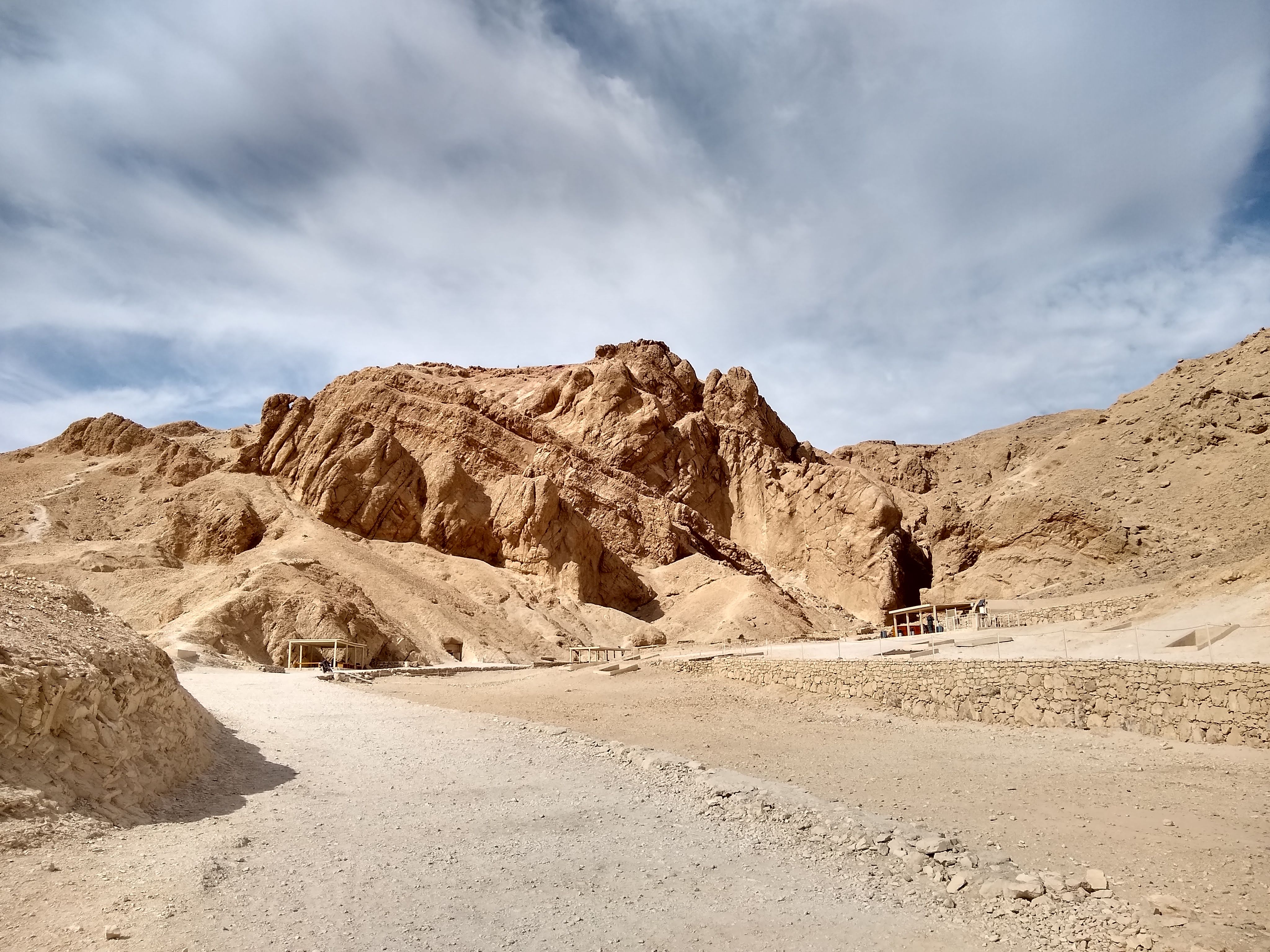
We visited the three tombs included in our Standard Luxor Pass, which for $100 allows unlimited visits to every sight in Luxor over a five day period except for the tomb of Nefertari in the Valley of Queens and the tomb of Seti I in the Valley of the Kings. To enter these two tombs you need to pay an additional $100 which seems a bit absurd, although some friends who have coughed up the extra money felt it was worth it.
From Valley of the Queens we set off along the main road toward Medinet Habu. I tensed a bit as we passed a police checkpoint, expecting them to ask why we were walking, but they ignored us. We then turned off the main road onto a dirt path through some ongoing excavations and were again pleasantly surprised when no one told us to turn back (although I was told off for taking a photo). Later I realized that these excavations are part of the ‘Lost Golden City’ that was announced in the week after the ‘Golden Pharaoh Parade’ in Cairo, which saw the transfer of 22 mummies from the Egyptian Museum to their new resting place in the National Museum of Egyptian Civilization. I was one of the few people able to witness this parade up-close in person, but that is a story for another day.

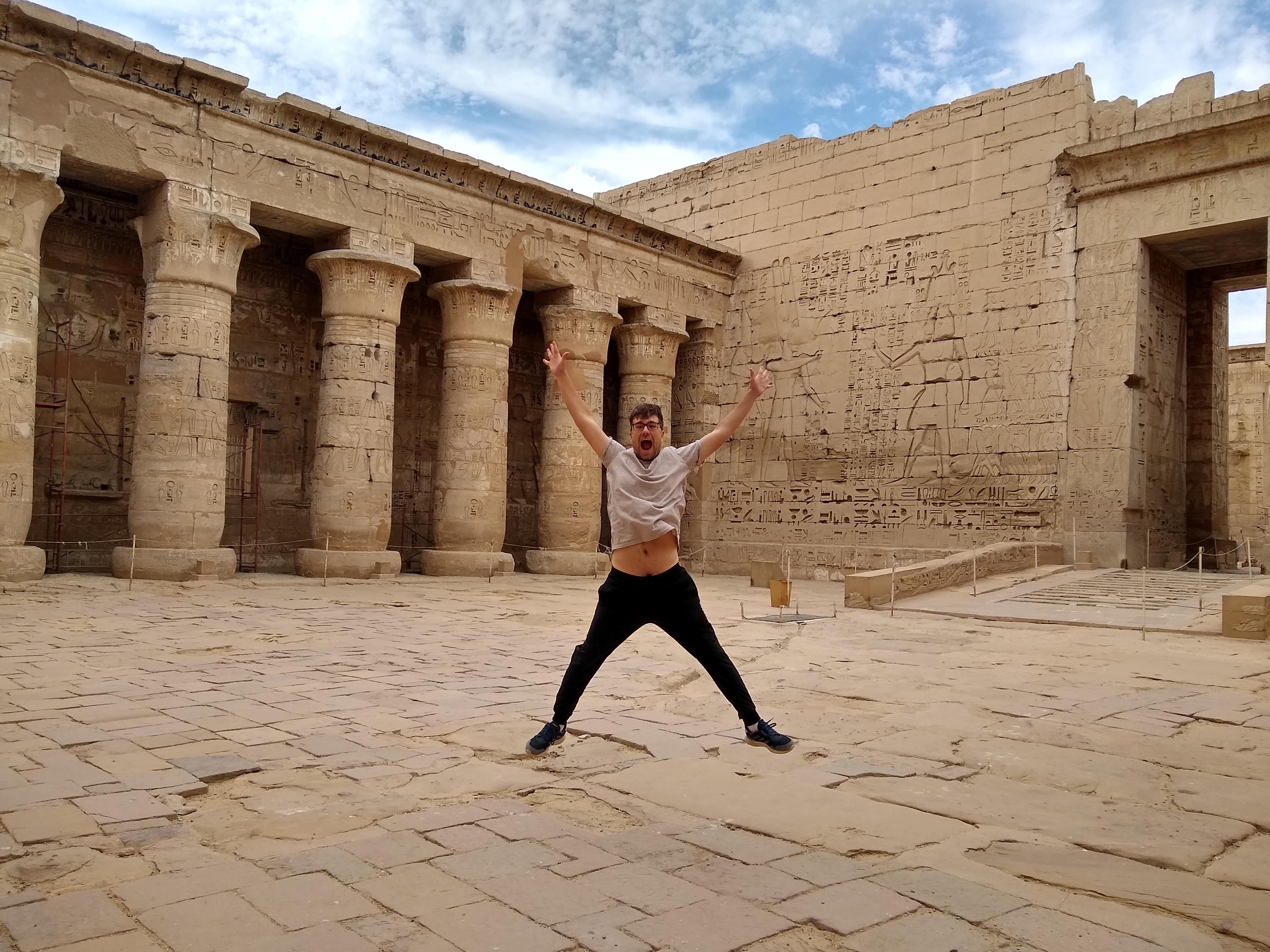
Medinat Habu had a few more tourists than Valley of the Queens (and the same guides being trained), but was still quite peaceful.
From Medinat Habu we walked back onto the main road up to the Valley of the Artisans, which took about 20 minutes. The people buried there had worked on the royal temples, and so the tombs were less ornate but still quite nice, and you could also look at the ruins of their neighborhood.

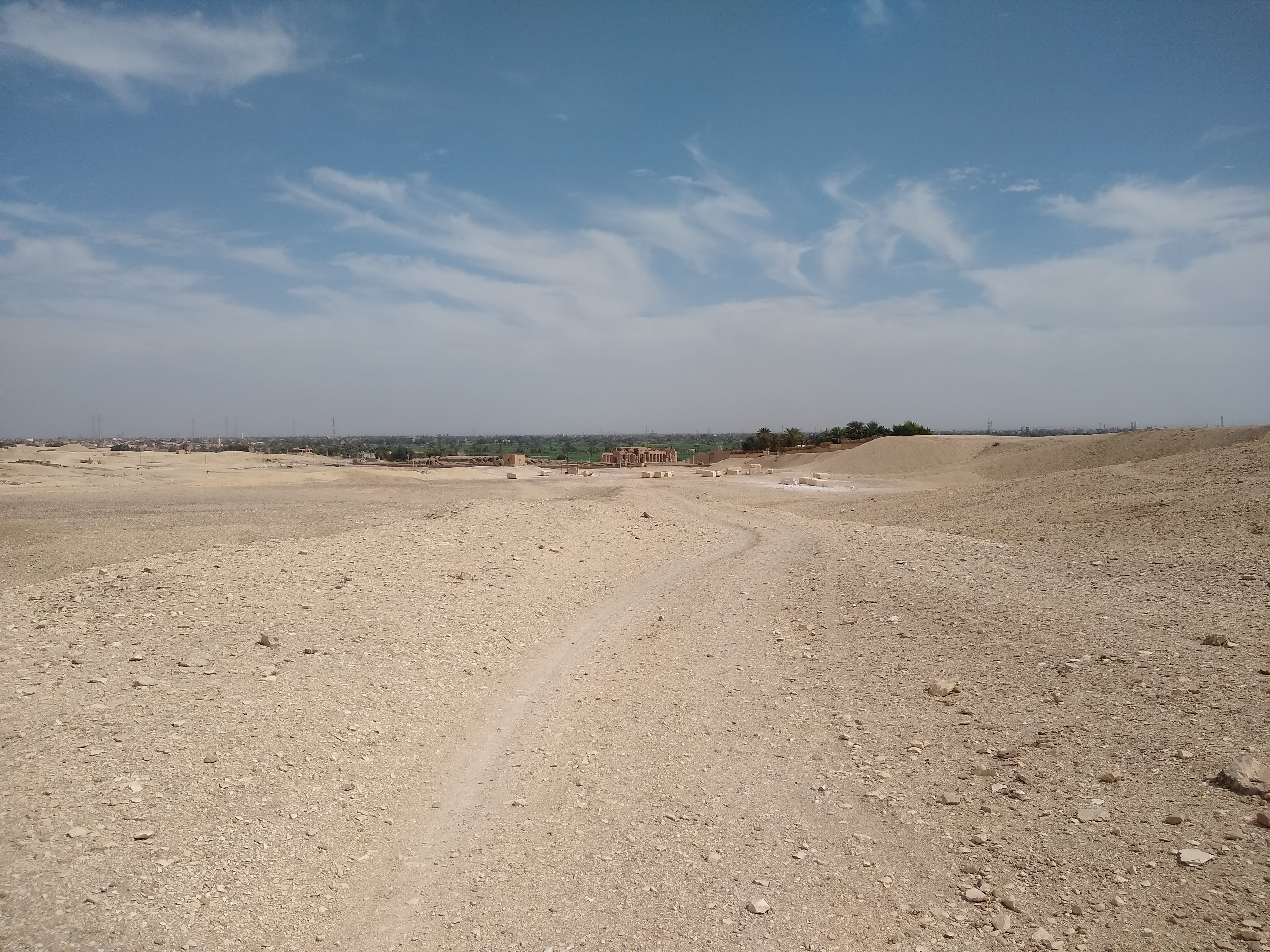
As we were leaving we had to choose between two potential routes: back along the main road, or along a dirt path (which did show up on Google Maps as a road). This being Egypt, I thought someone would yell at us for walking along the dirt path, but once again we were surprised that we were able to walk along it without confrontation.
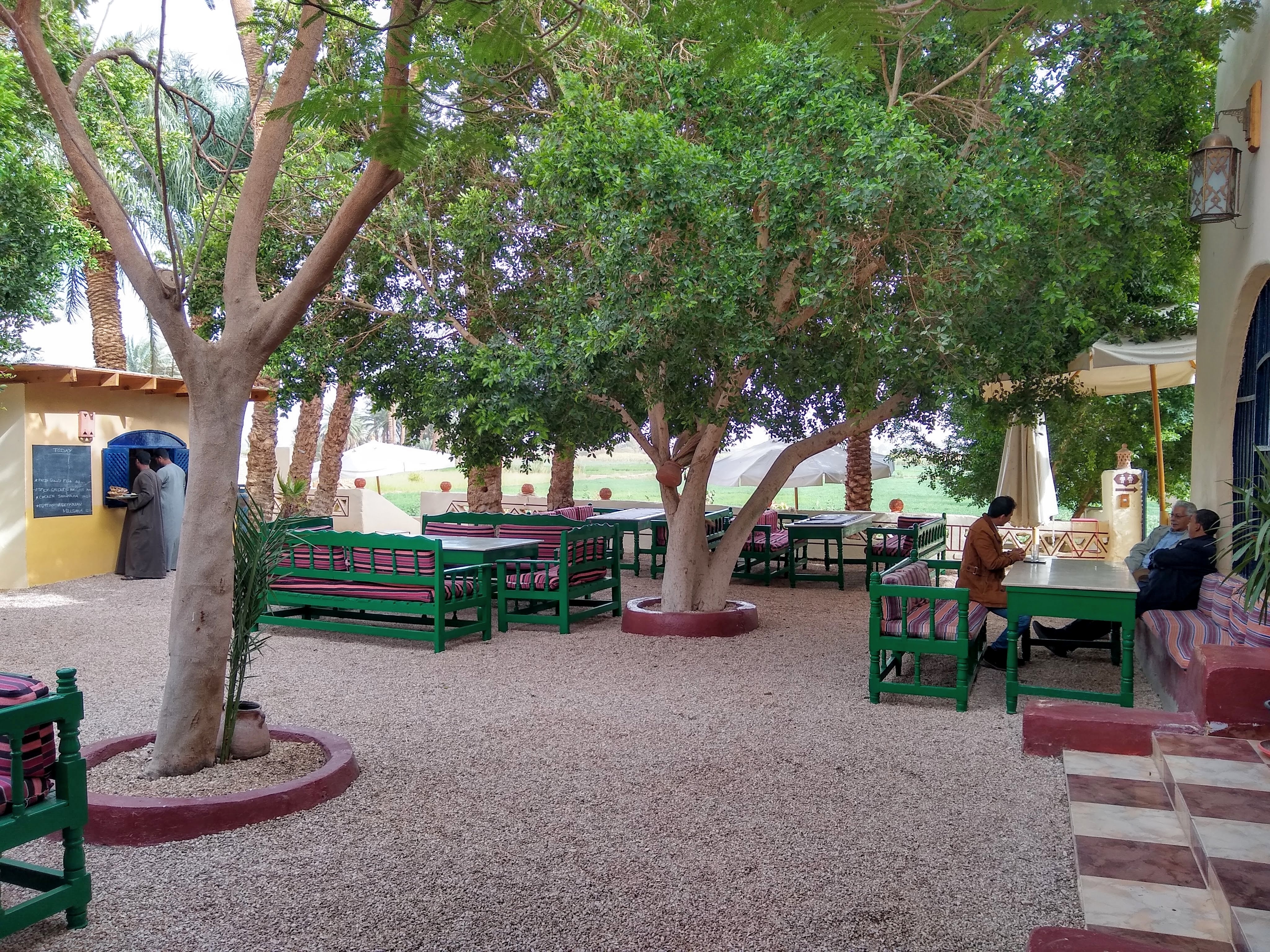
We arrived at the Marsam Hotel, which claims to be the oldest guest house on the west bank. We had a delightfully tranquil lunch overlooking the fields and donkeys, along with a few other tourists and hotel guests. I had grilled fish and Jessica had chicken and pumpkin tagine, both of which were served with the usual Egyptian salads and rice. The meal was one of the best we have had in Egypt, and if I am ever in Luxor again I would strongly consider staying at the hotel itself.
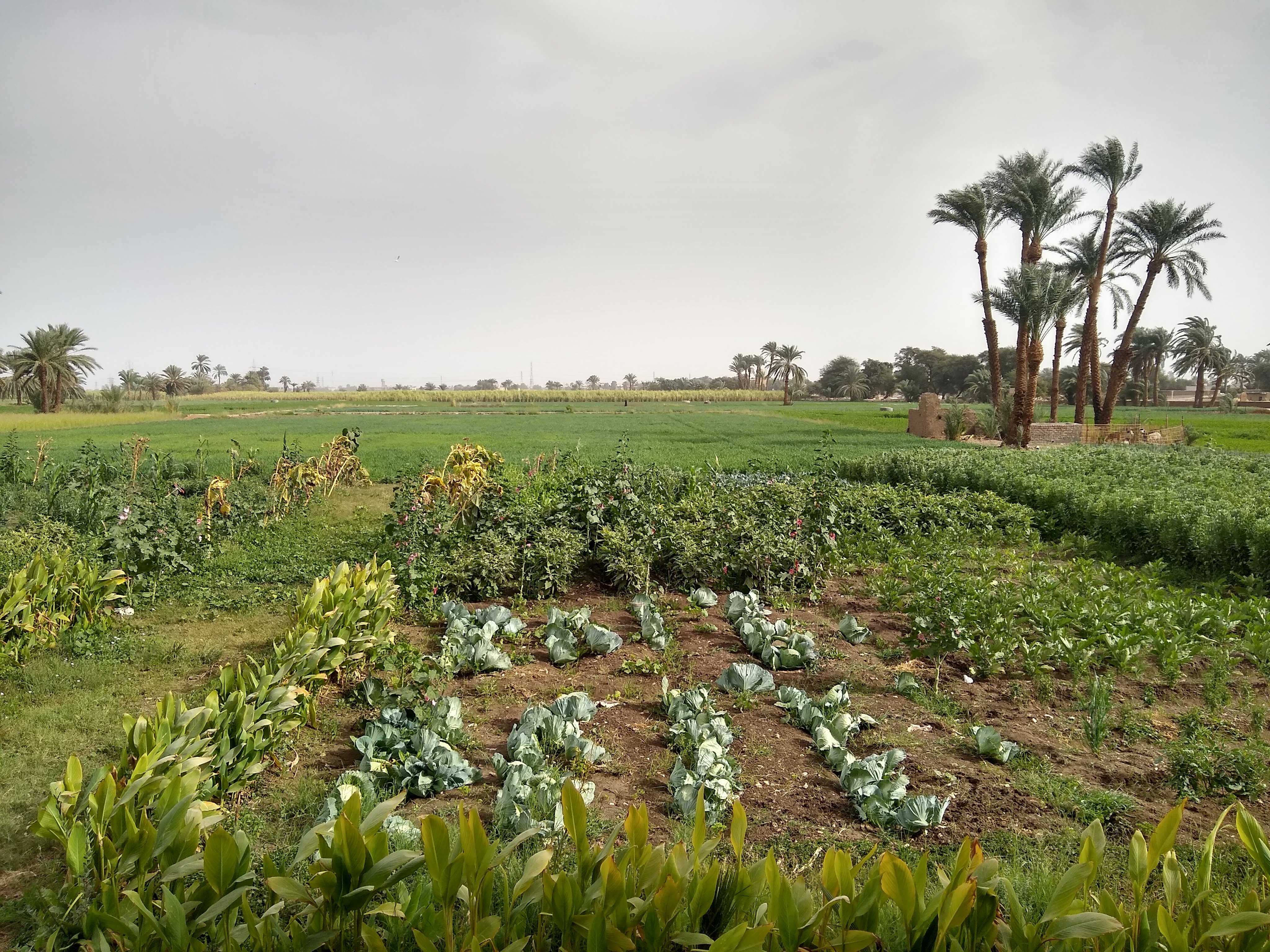
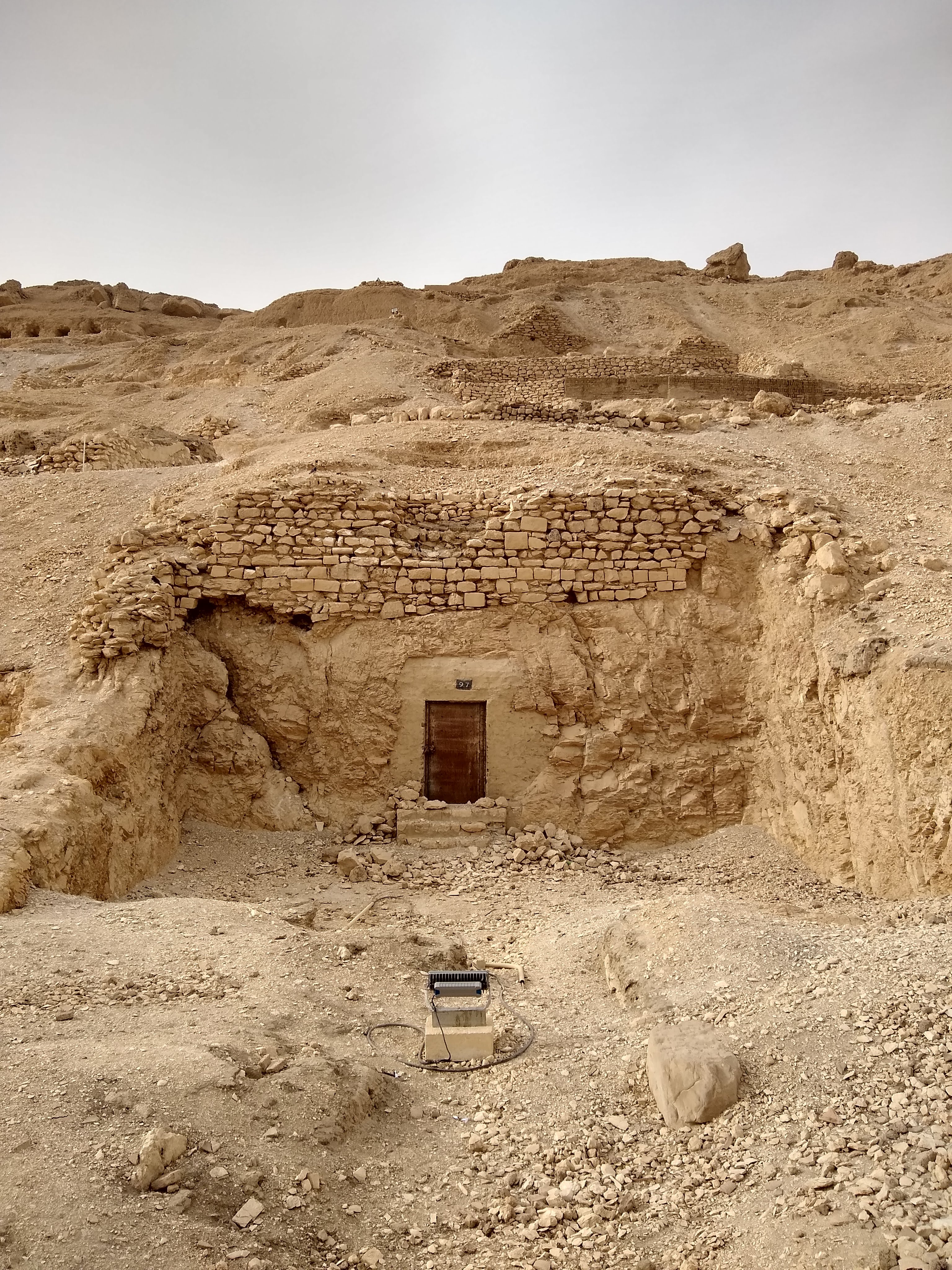
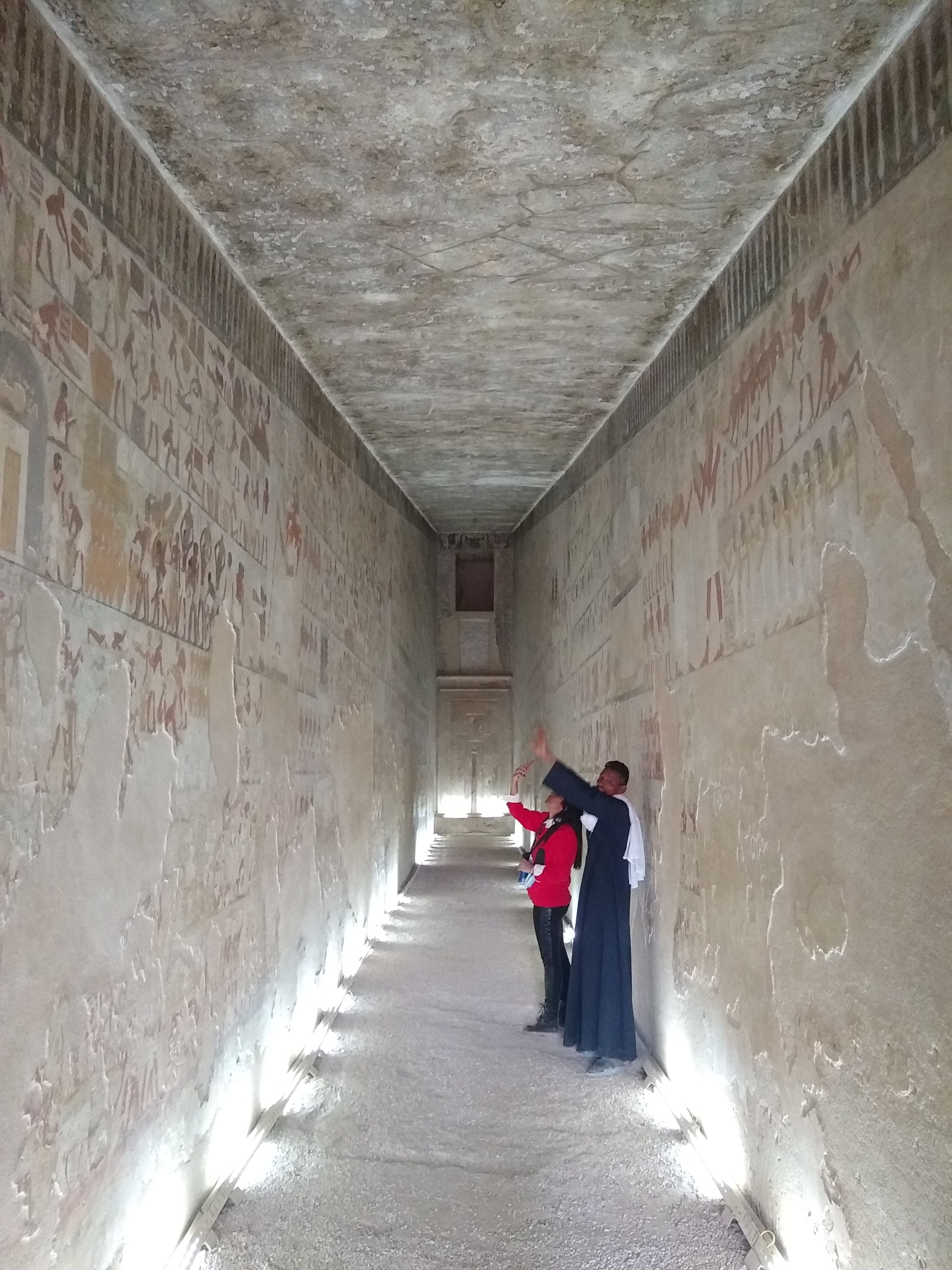
After lunch we walked to the Tombs of the Nobles, all of which were locked, so we had to patiently wait for each one to be opened by the guards. The only other tourist was an Egyptian woman who seemed happy to chat with the guards, which was nice for us since it meant they followed us less closely (one of the annoyances of visiting tombs in Luxor is guards who stand very close to you and try to explain things when you just want to take them in for yourself). Twelve tombs are open to the public, but after visiting six of them we decided to move on since we were starting to run out of time and because we didn’t want to overdo it before visiting the Valley of the Kings the next day.

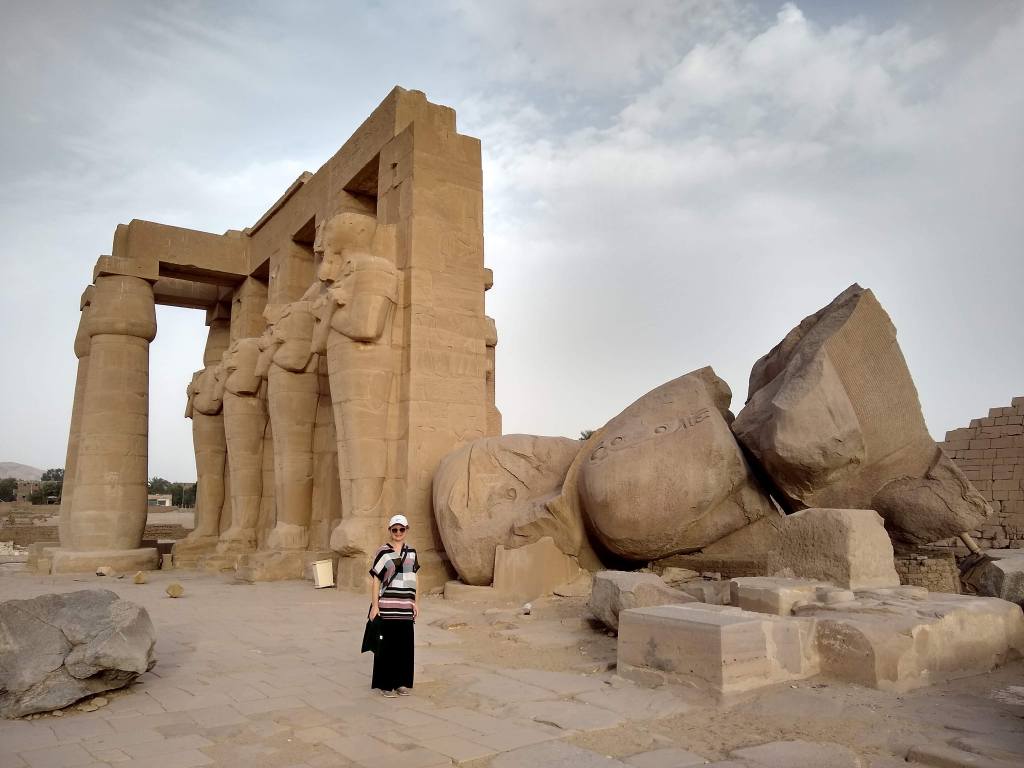
Our last site of the day was the Ramesseum, which was a short walk away. We took the wrong turn off the main road and then passed through some narrow streets weaving between nicely decorated small houses. We passed by a boy who gestured for us to continue around a corner (it was obvious to him what we were looking for), and then we emerged at the edge of some fields with some donkeys and the entrance in sight.

We arrived 45 minutes before closing and only one other couple was still at the site. The temple is most notable for a toppled colossus, which inspired the poem Ozymandias by Percy Blythe Shelley.
One of the guards eagerly tried to usher us out 15 minutes before closing, but we just kept walking around slowly. He left in a huff and sent a police officer to get us, but we made it out with five minutes to spare.
It was 17:00 and our sightseeing for the day was complete. My plan was to walk through the fields for 4km until we arrived at the ferry station to take us back to the east bank. Jessica was initially a bit skeptical, as she understandably didn’t want to walk through people’s fields uninvited, but she agreed to give me a chance to find a proper path.
We started walking on a path behind the houses at the edge of the fields and a boy riding a donkey approached us. He pulled to the side to let us pass but didn’t say anything, which was the first positive sign that we were on an approved route.
We turned onto the dirt road next to a field where a few men were harvesting sugarcane. We passed by them without comment, and Jessica relaxed and agreed we should continue through the fields.

This was one of the most joyous walks we have done in Egypt. It was rewarding to culminate such a successful day of independent sightseeing by passing through dark green fields contrasting with the yellow haze.
We made a small detour onto the main road to buy an overpriced Fanta and use the toilet, and then we continued along an abandoned rail line that ran between the houses and the fields.

We emerged into the town just before the ferry station, fended off some offers of private boats, and then jumped onto the public ferry which departed about 10 minutes later for the short journey across the river. We got off the boat and walked for our final 15 minutes of the day back to the hotel, where we treated ourselves to a drink in the royal bar, followed by mediocre room service and some much needed sleep.
 Paul Anderson
Great reading! I have read a ton of travel lit over the years (mostly adventure type) one woman who rowed from Luxor to Cairo various cycling accounts.
But it’s great reading the experiences of someone you know! I hope you keep up the blog! Tell us about life in Cairo as well,
Thanks for reading! I have a few more travel posts coming up and then will definitely write about Cairo.